
Choose a pathway to begin. Your progress and final score will be saved when you finish.
Pathway collection

Solve multi-step real-life and mathematical problems with rational numbers and assess reasonableness.
Start pathway →Rewrite expressions in different forms to reveal useful information about a problem.
Start pathway →Use variables to represent quantities and solve equations and inequalities from real situations.
Start pathway →Use properties of operations to add, subtract, factor, and expand linear expressions.
Start pathway →Pathway collection
Multiply and divide positive and negative rational numbers and interpret quotients.
Start pathway →Solve real-world and mathematical problems involving all four operations with rational numbers.
Start pathway →Add and subtract positive and negative rational numbers using models and properties.
Start pathway →Pathway collection
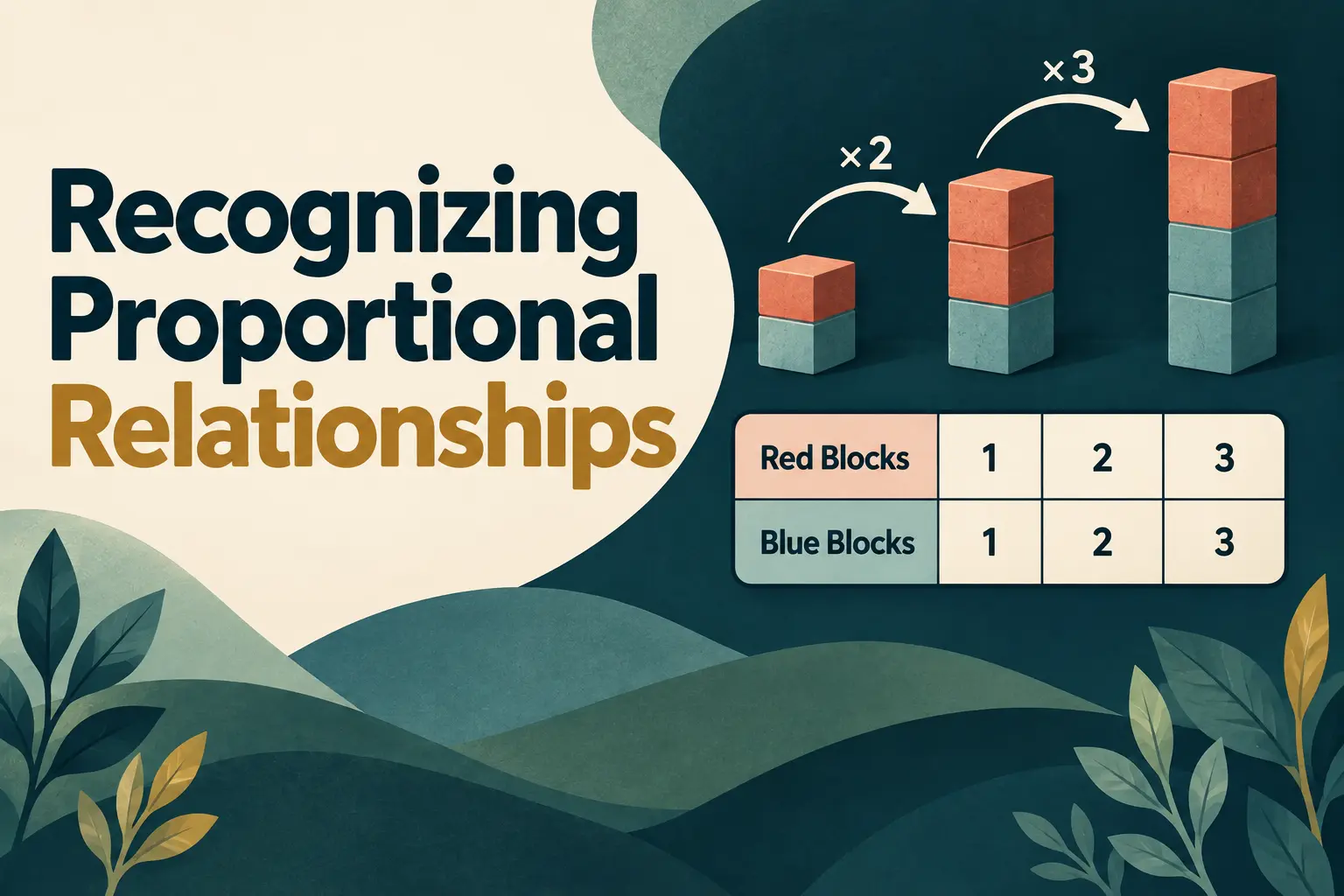
Decide whether two quantities change by the same multiplier.
Start pathway →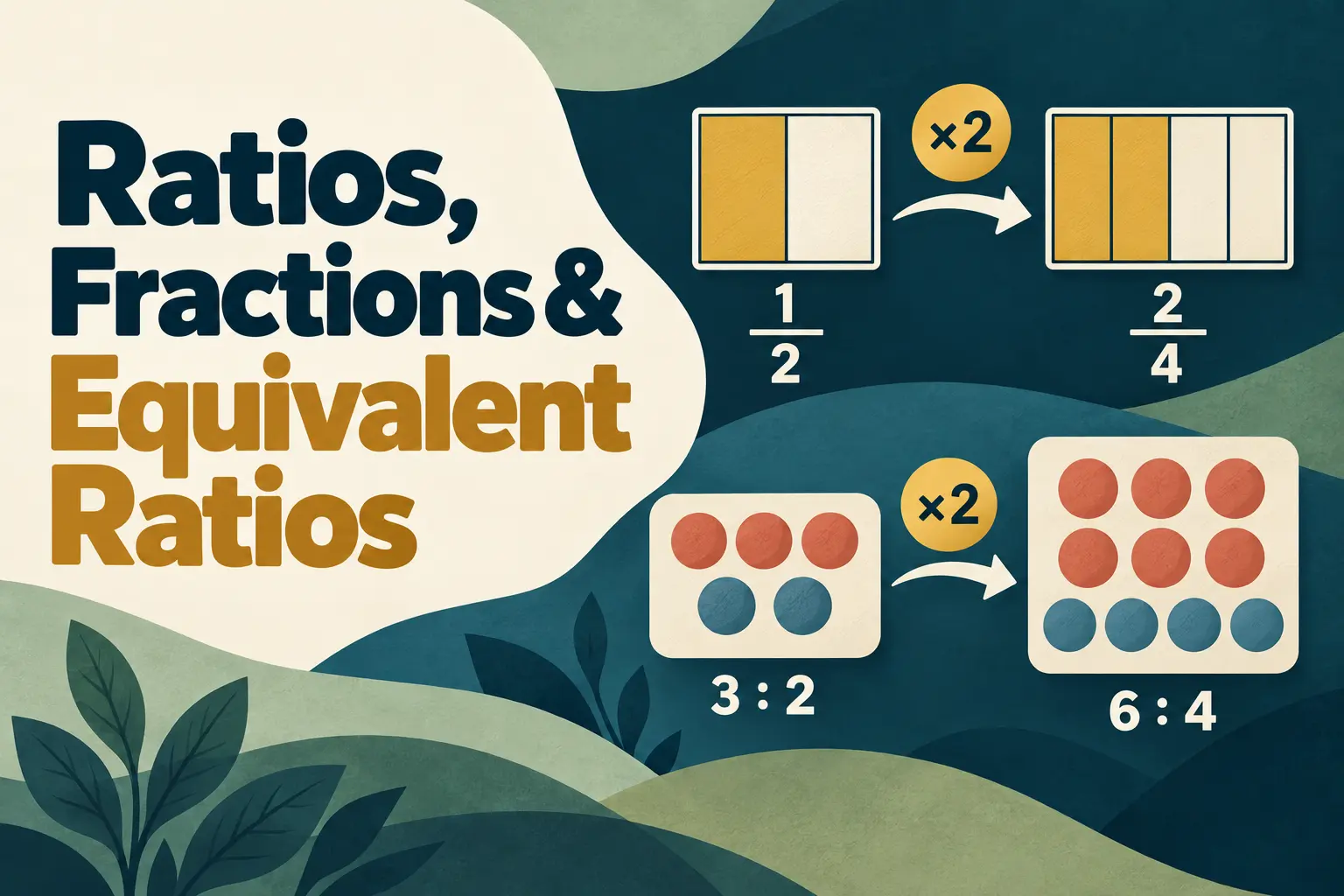
Use multiplication and division to preserve the same comparison.
Start pathway →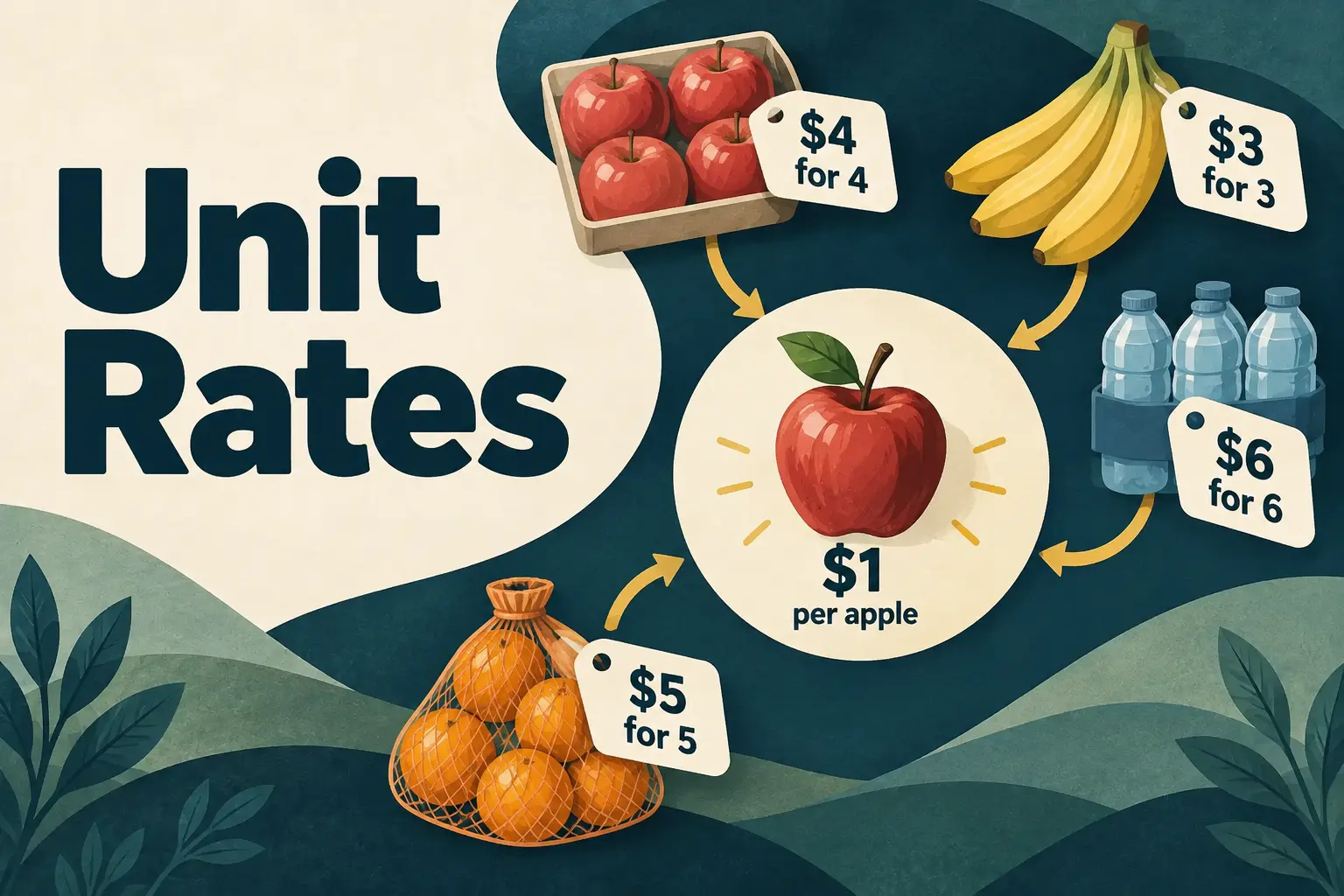
Find how much for exactly one unit.
Start pathway →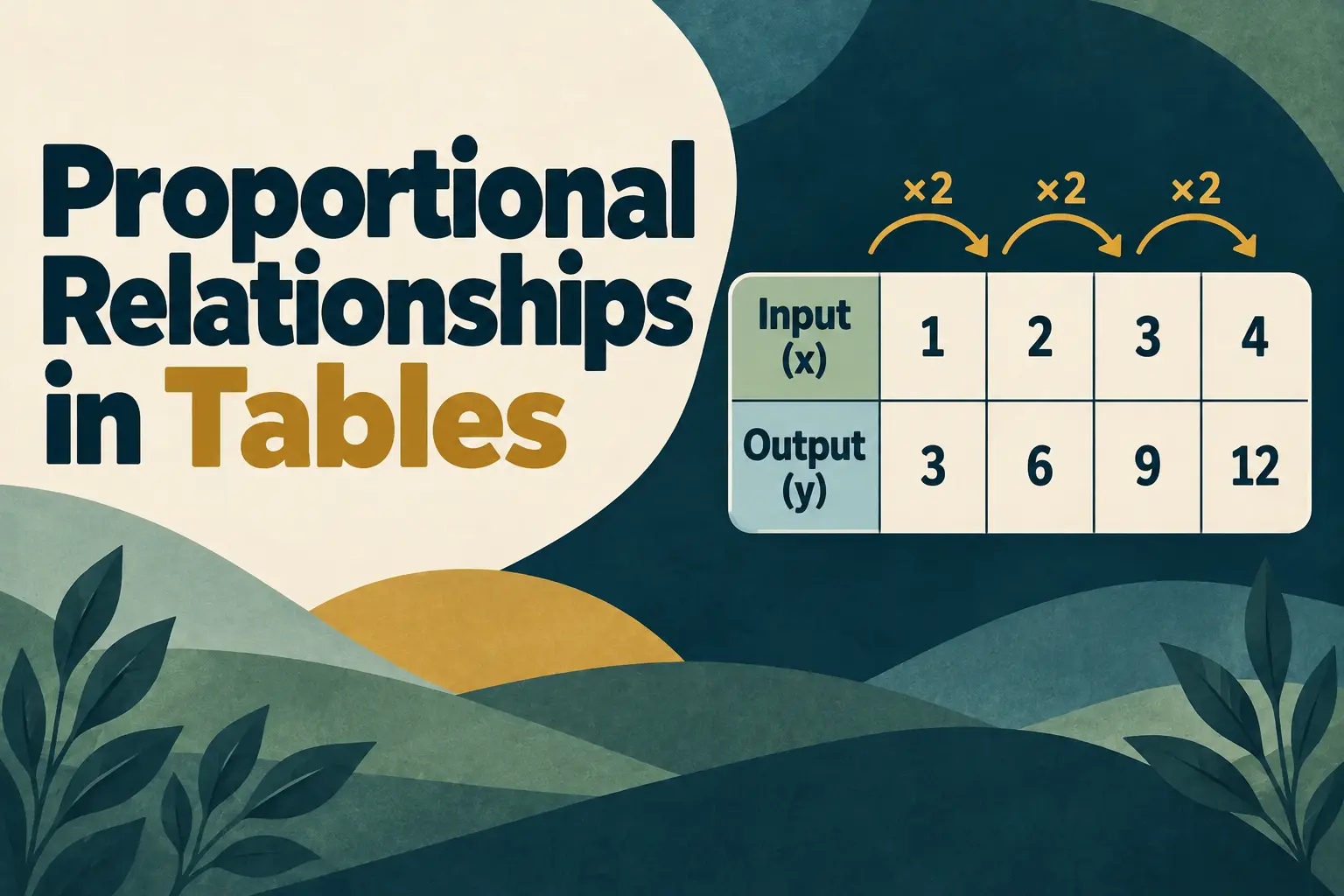
Use rows and columns to find a constant multiplier.
Start pathway →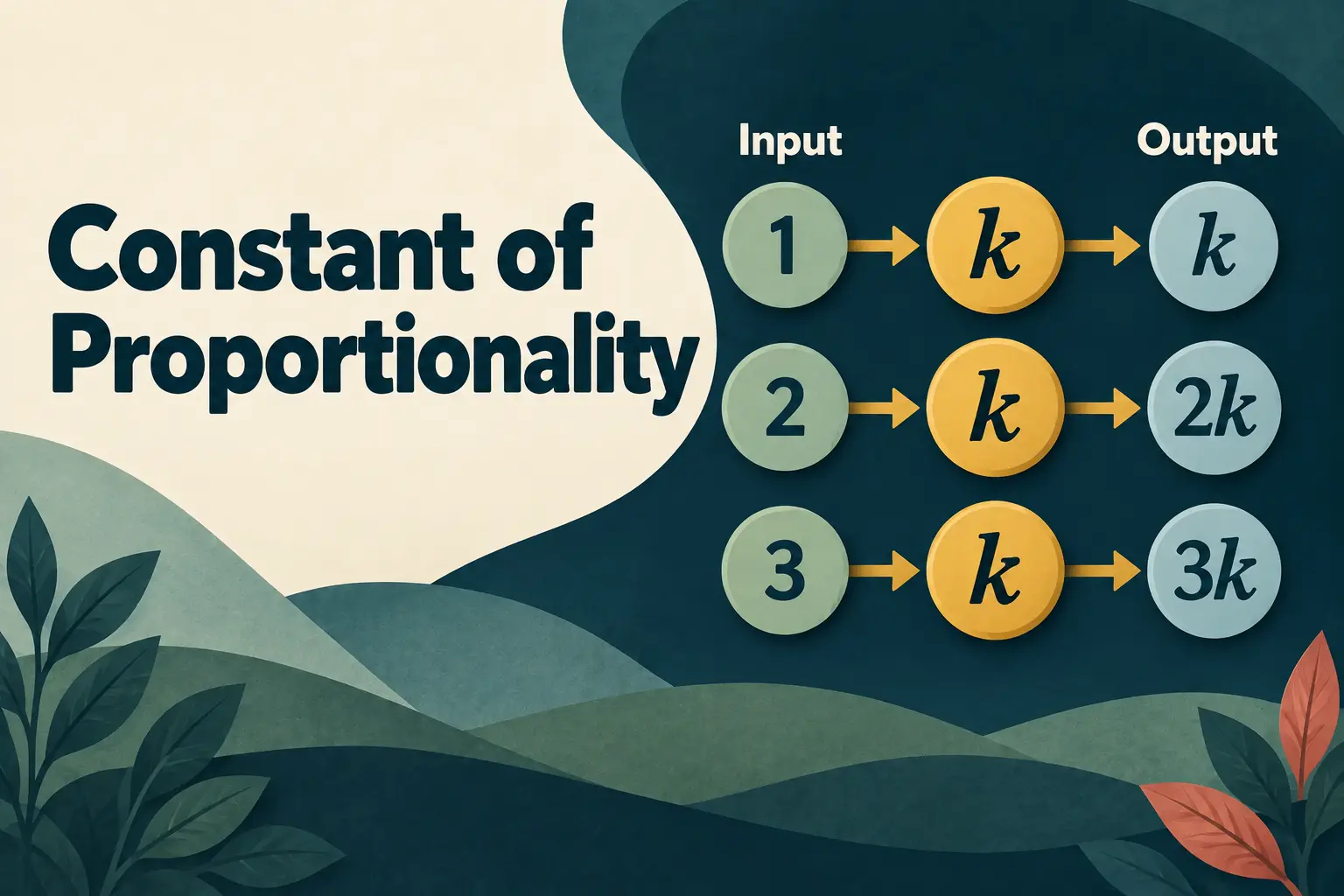
Find and interpret the multiplier k.
Start pathway →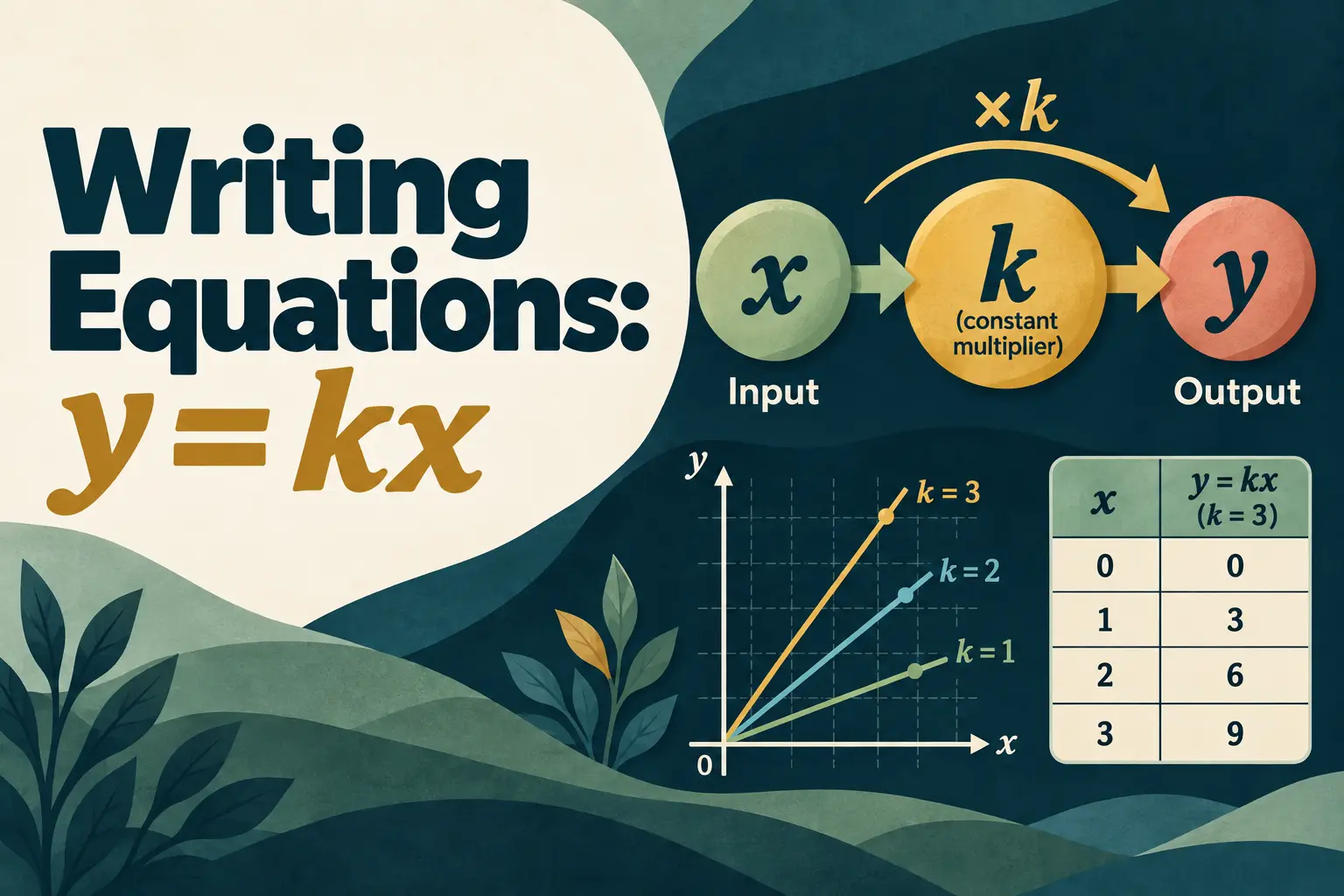
Represent proportional relationships with algebra.
Start pathway →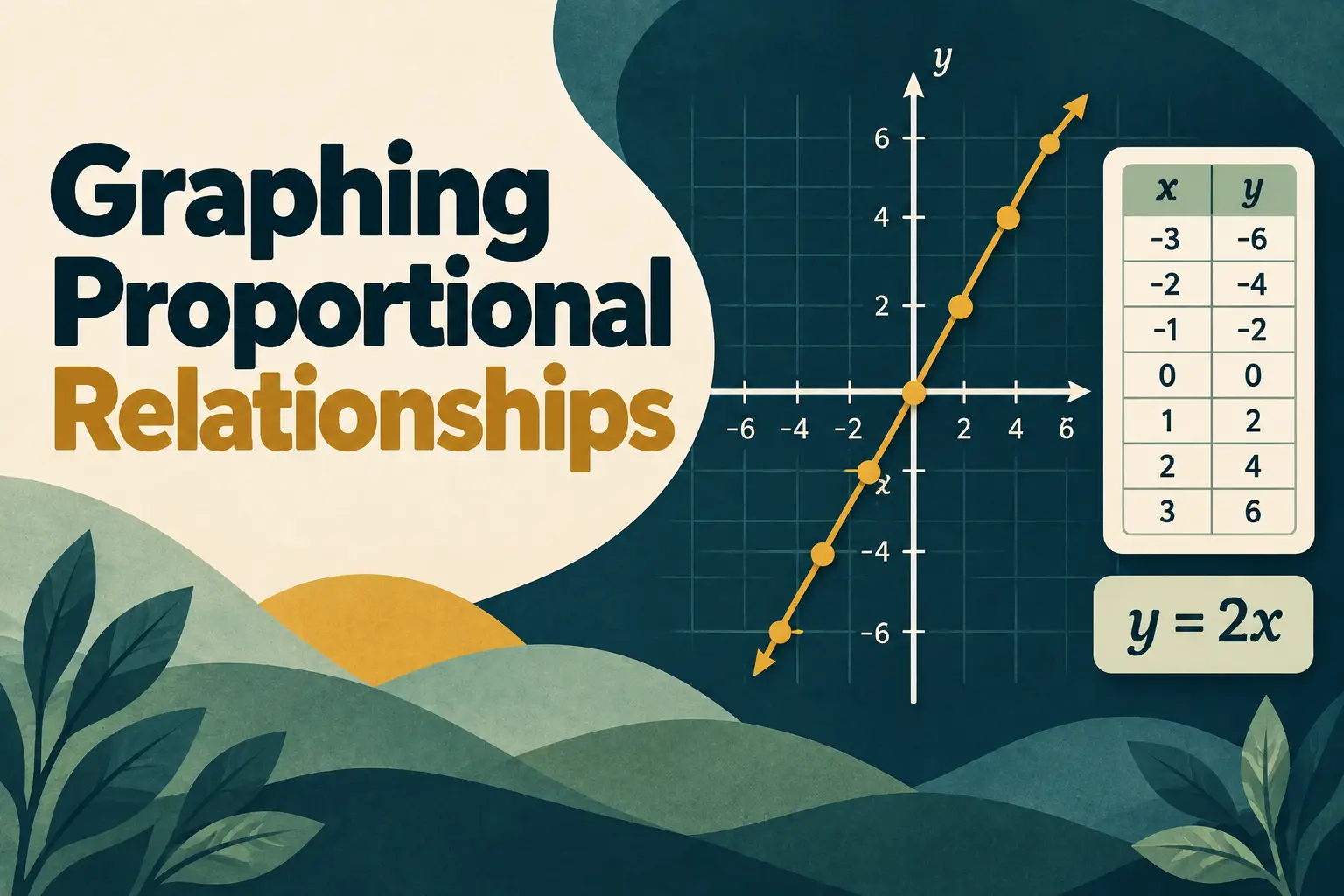
See constant rates as straight lines through the origin.
Start pathway →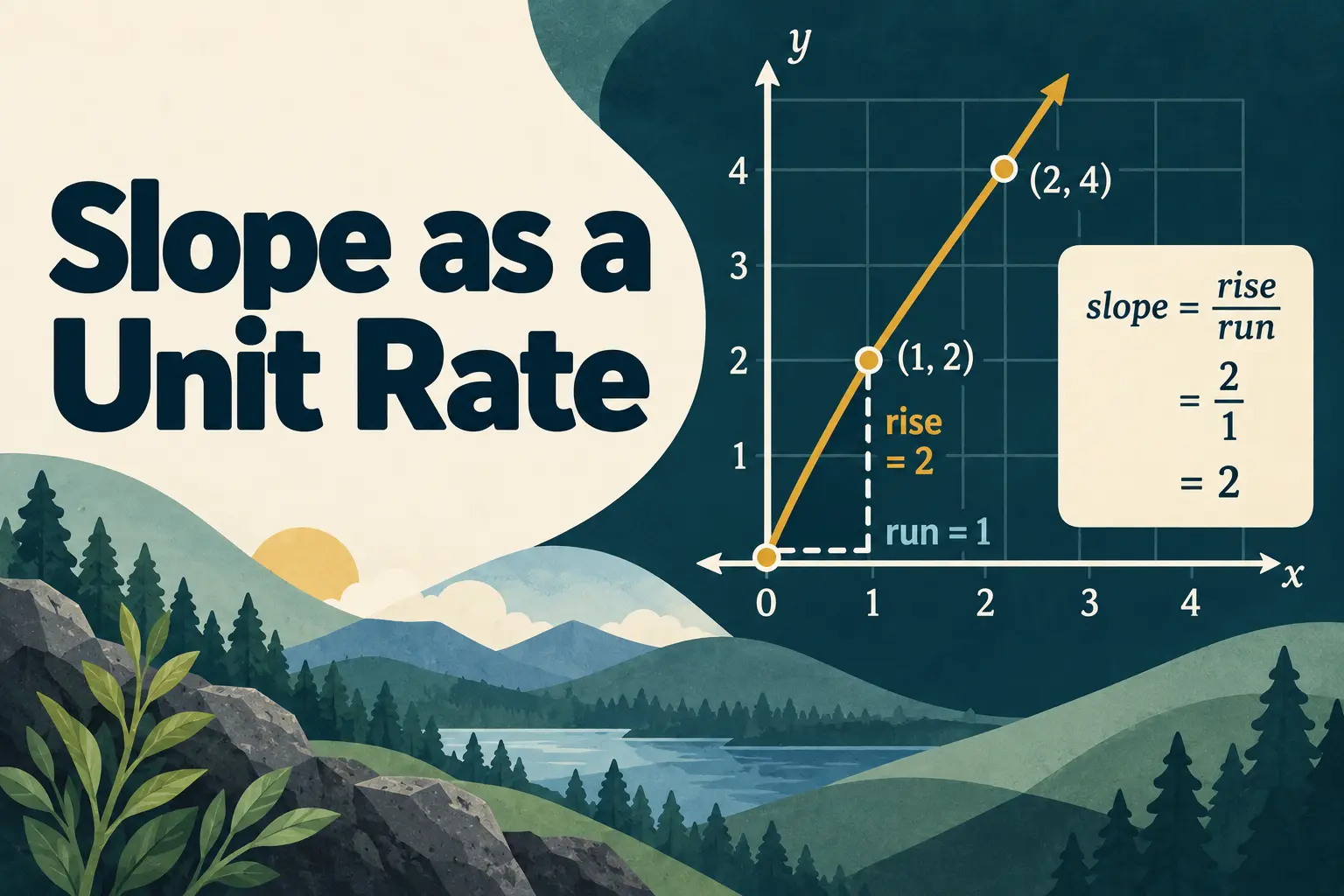
Connect a graph’s steepness to its constant of proportionality.
Start pathway →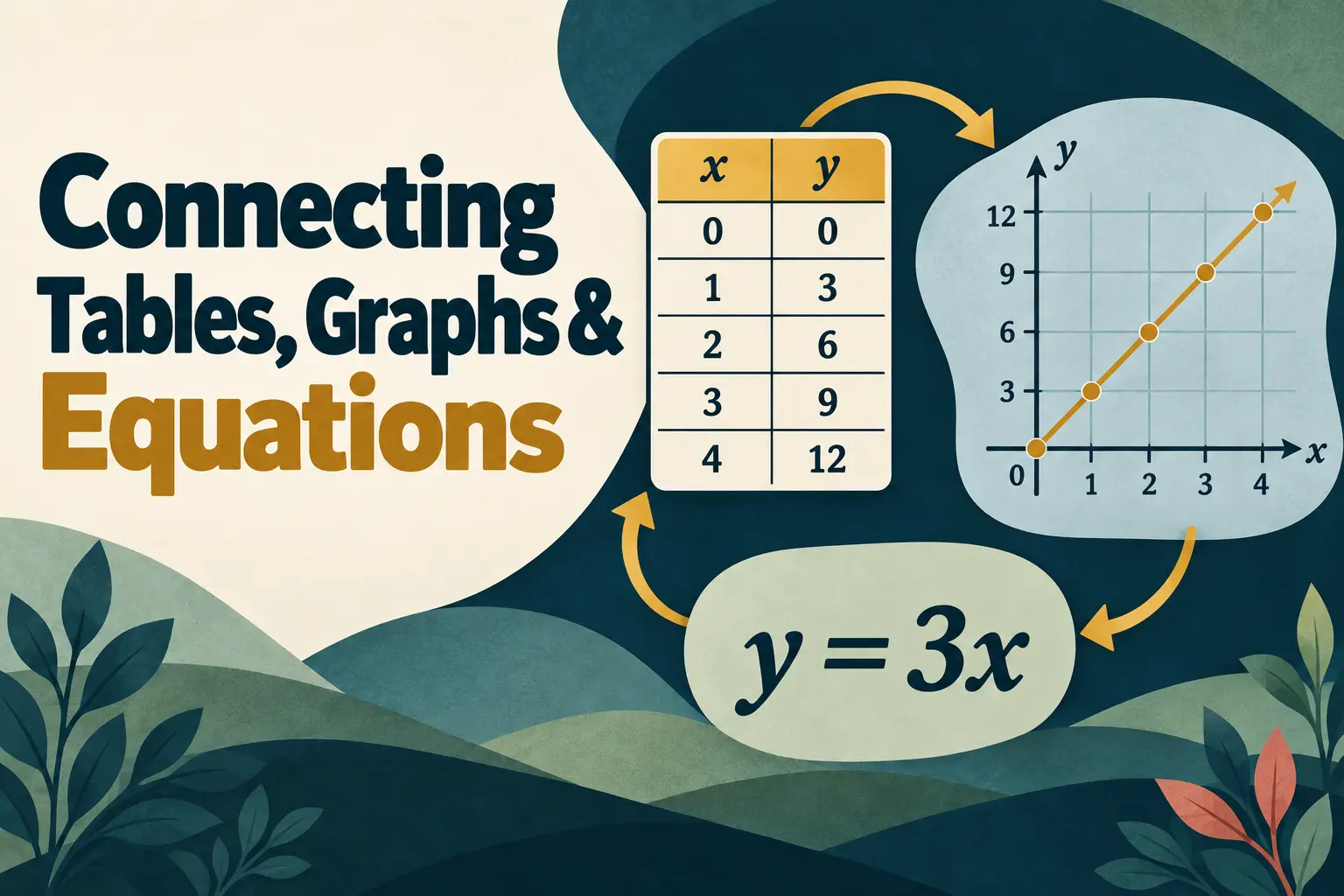
Recognize one proportional relationship in different forms.
Start pathway →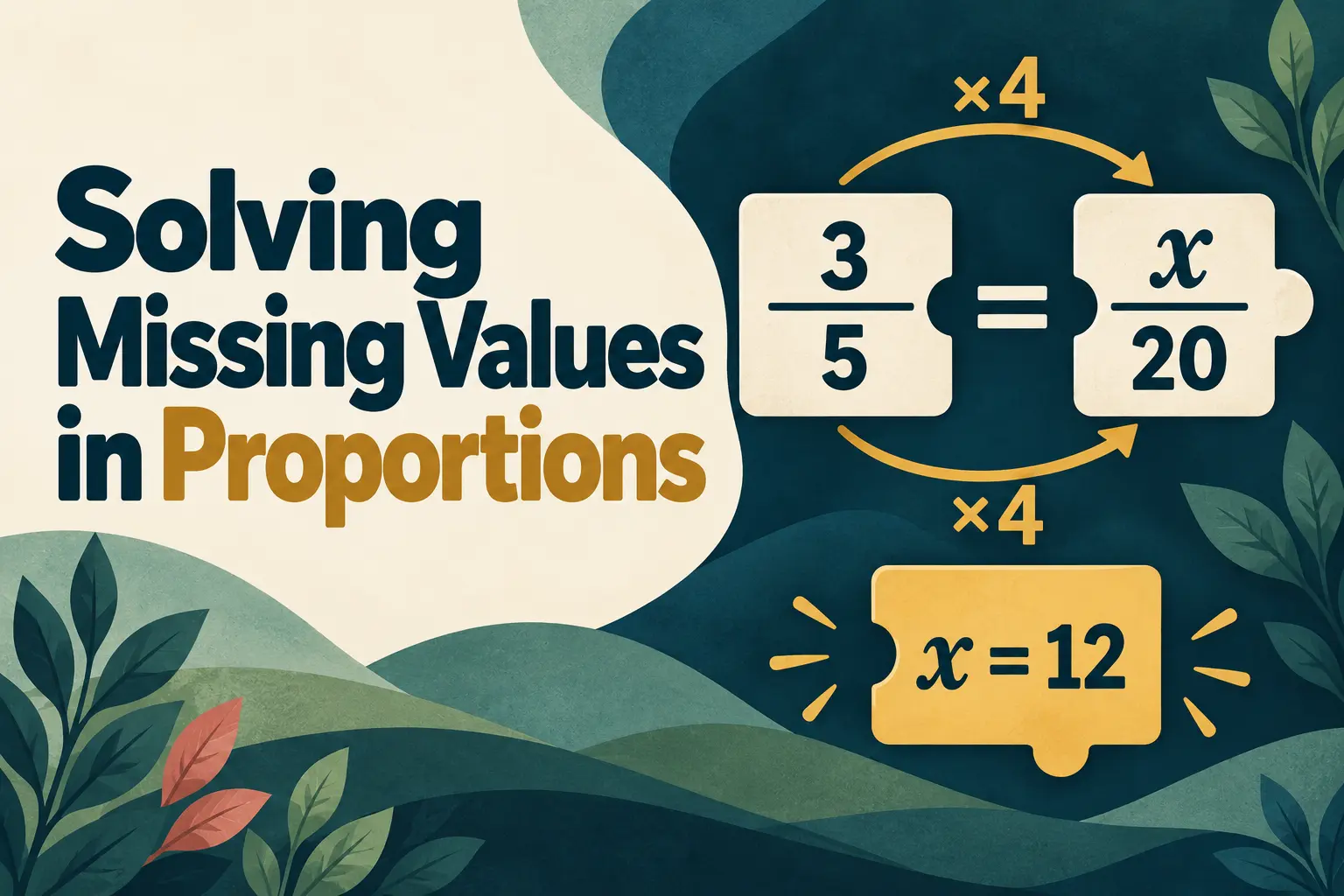
Use equivalent ratios, unit rates, and equations strategically.
Start pathway →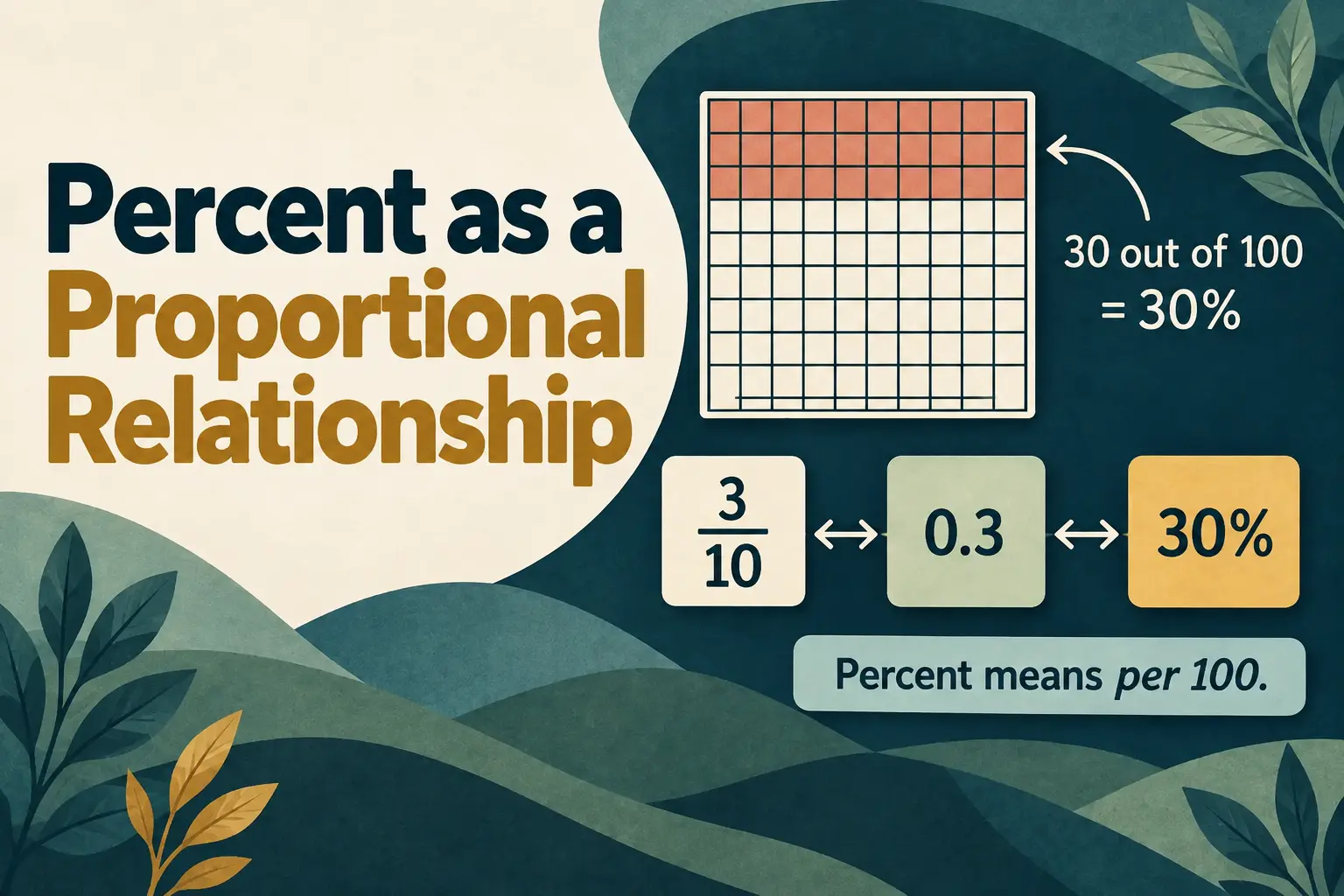
Connect fractions, decimals, and percentages to “per 100.”
Start pathway →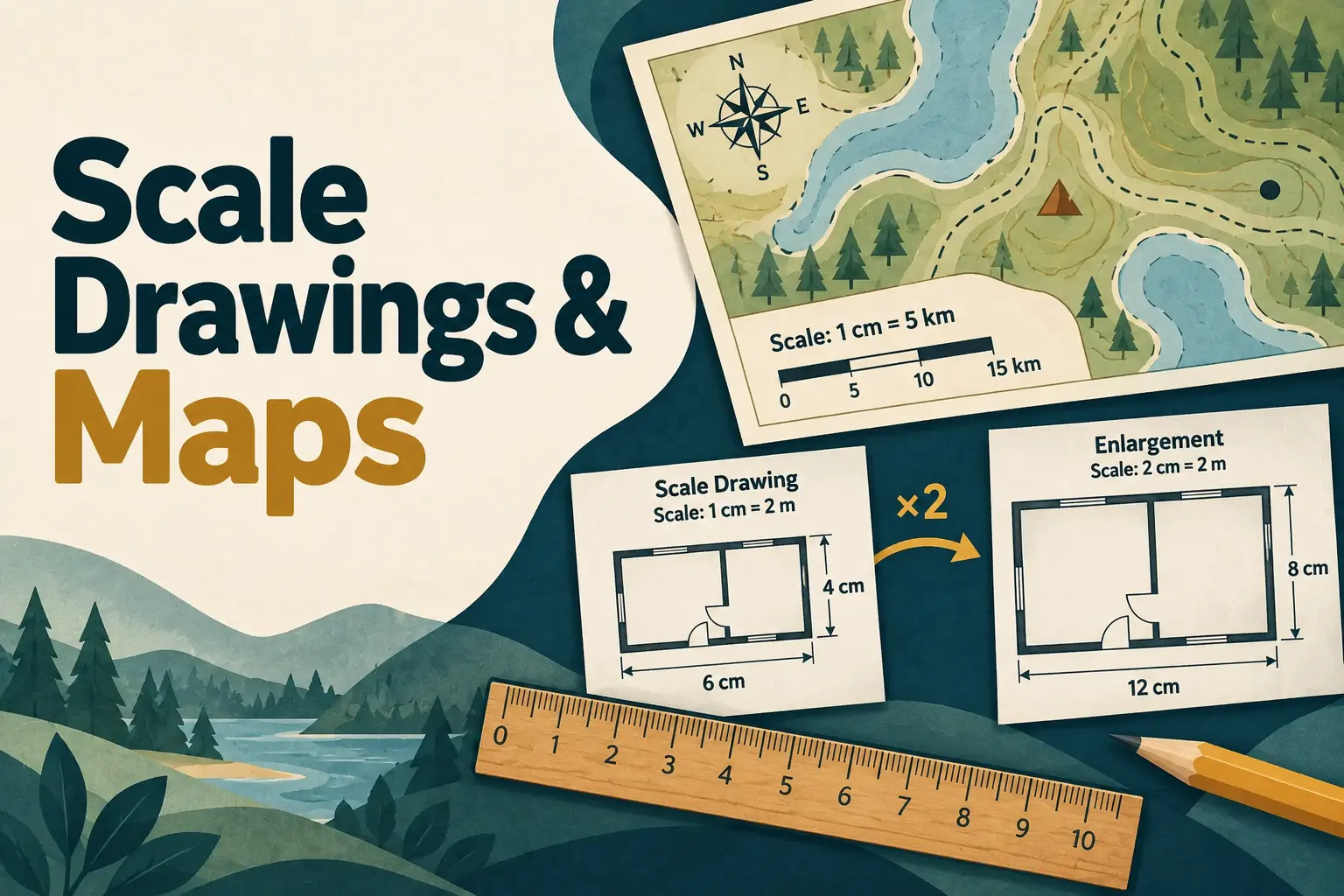
Use proportional relationships to connect models and real objects.
Start pathway →
Use unit rates to make fair decisions.
Start pathway →
Identify starting values, changing rates, and misleading patterns.
Start pathway →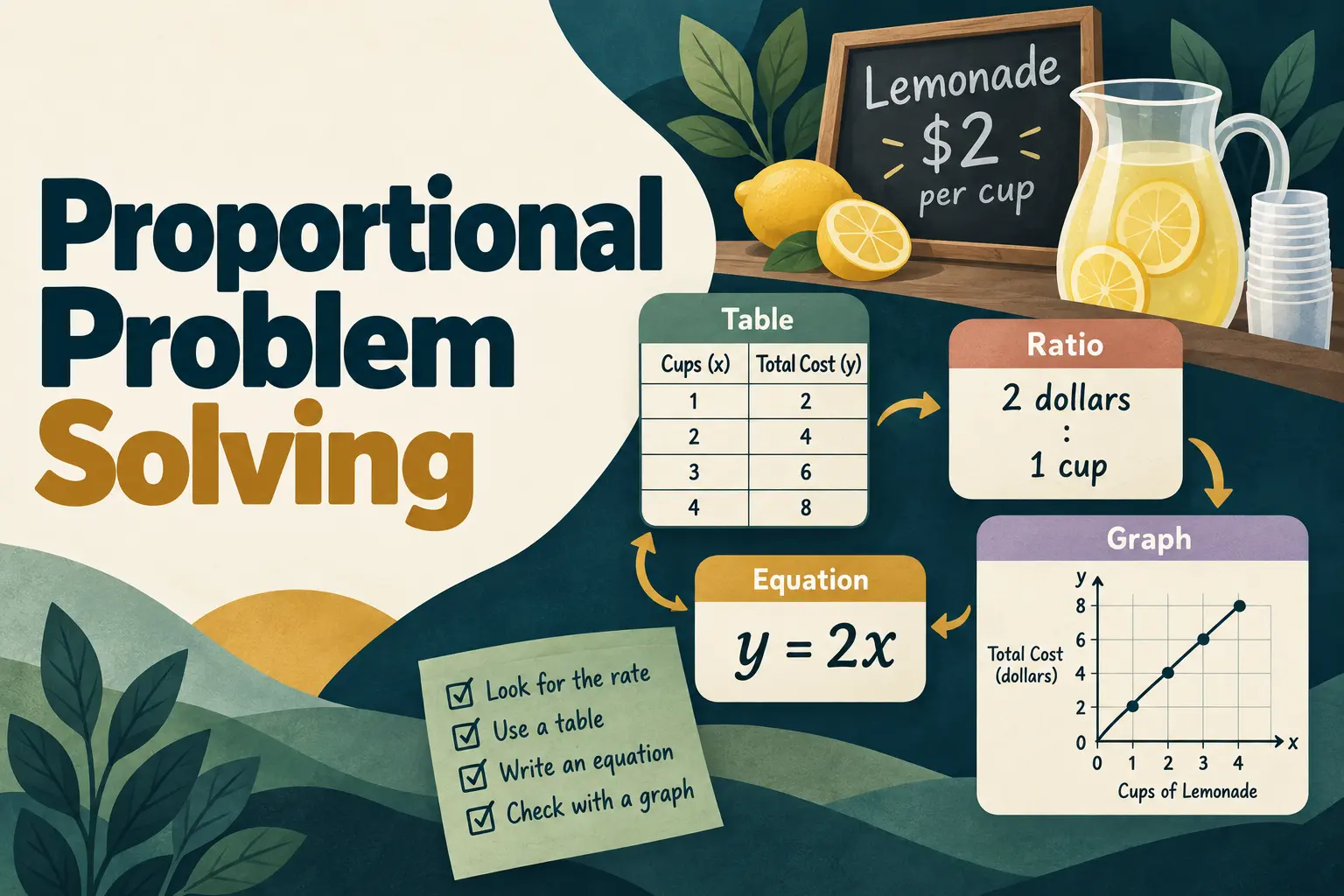
Select, solve, and explain proportional models in complex situations.
Start pathway →Pathway collection
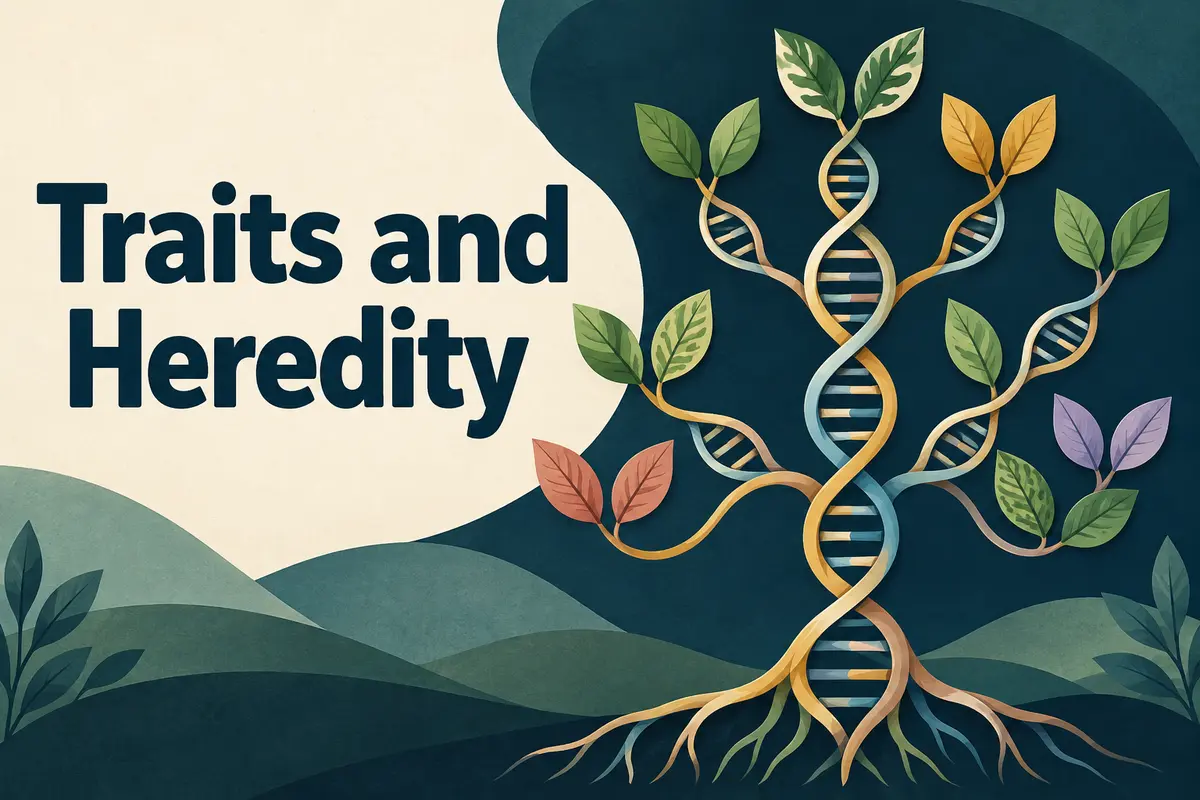
How characteristics pass from parents to offspring—and why genes are only part of the story.
Start pathway →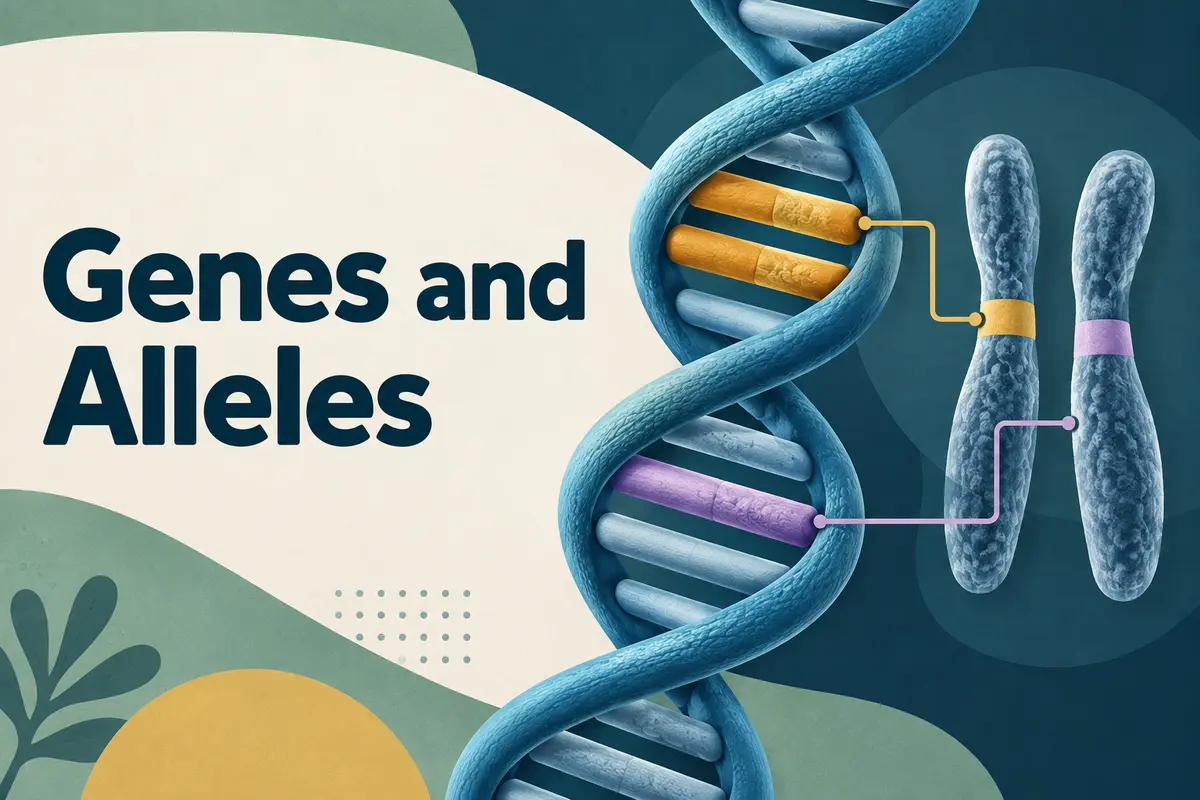
How sections of DNA and their different versions contribute to inherited variation.
Start pathway →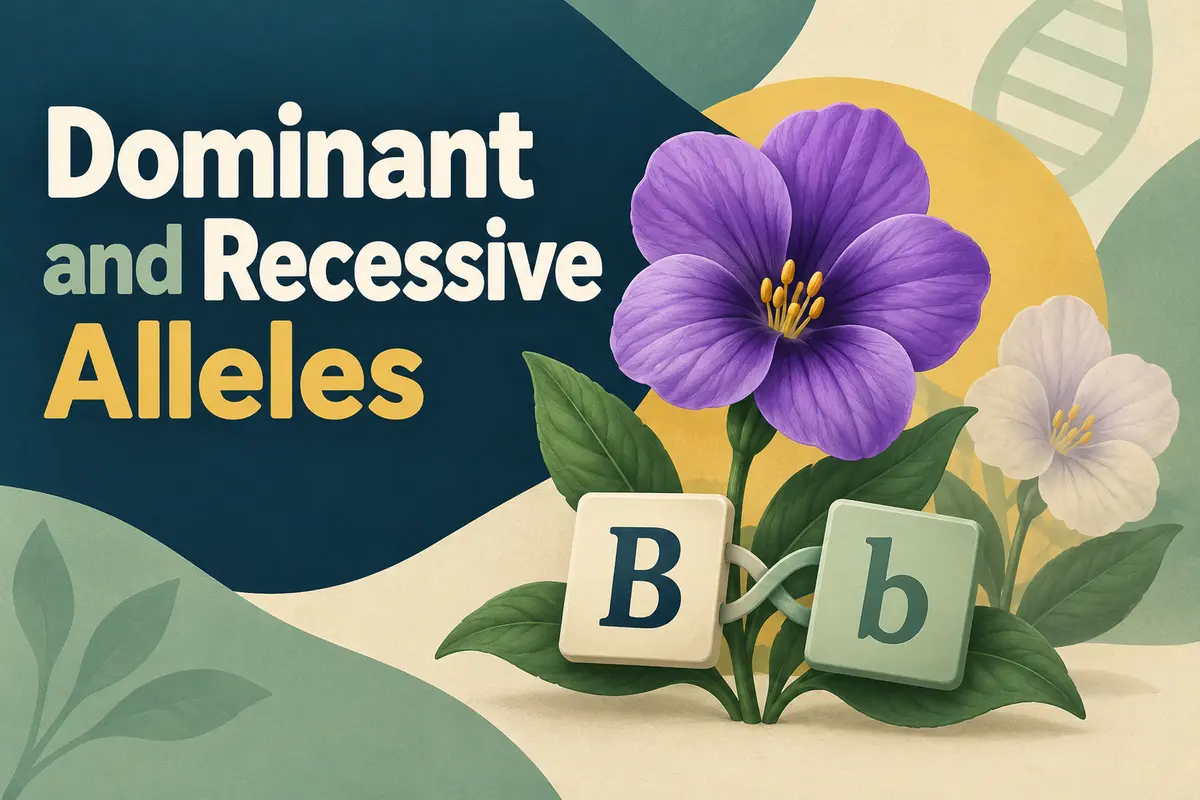
How allele interactions affect phenotype—and what “dominant” does not mean.
Start pathway →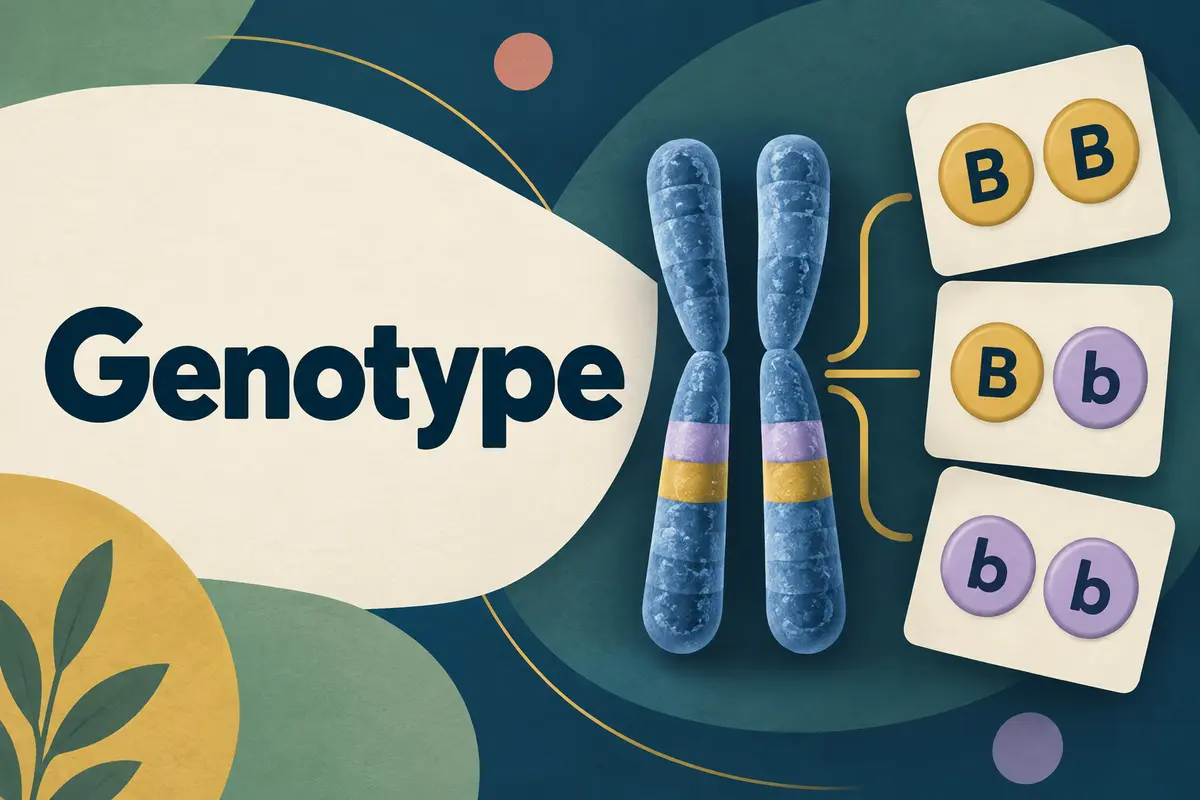
Reading and interpreting an organism’s allele combination.
Start pathway →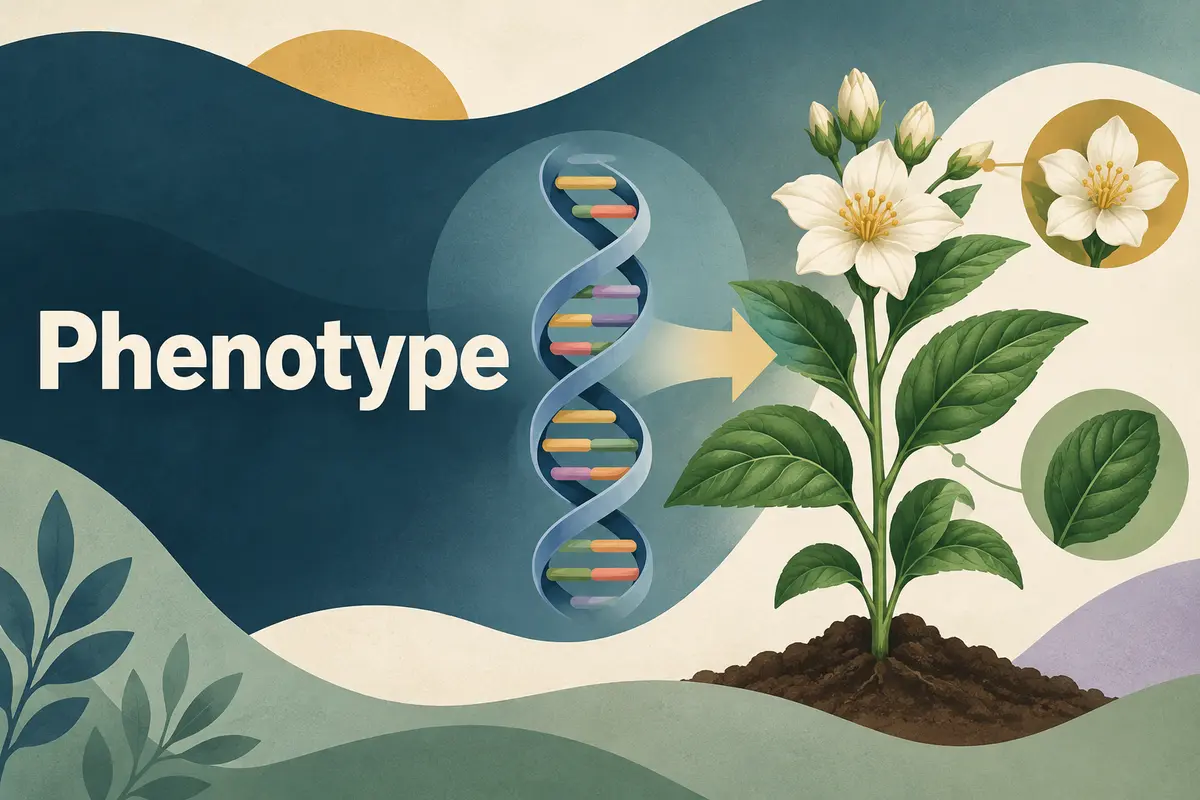
How genes, development, and environment contribute to observable characteristics.
Start pathway →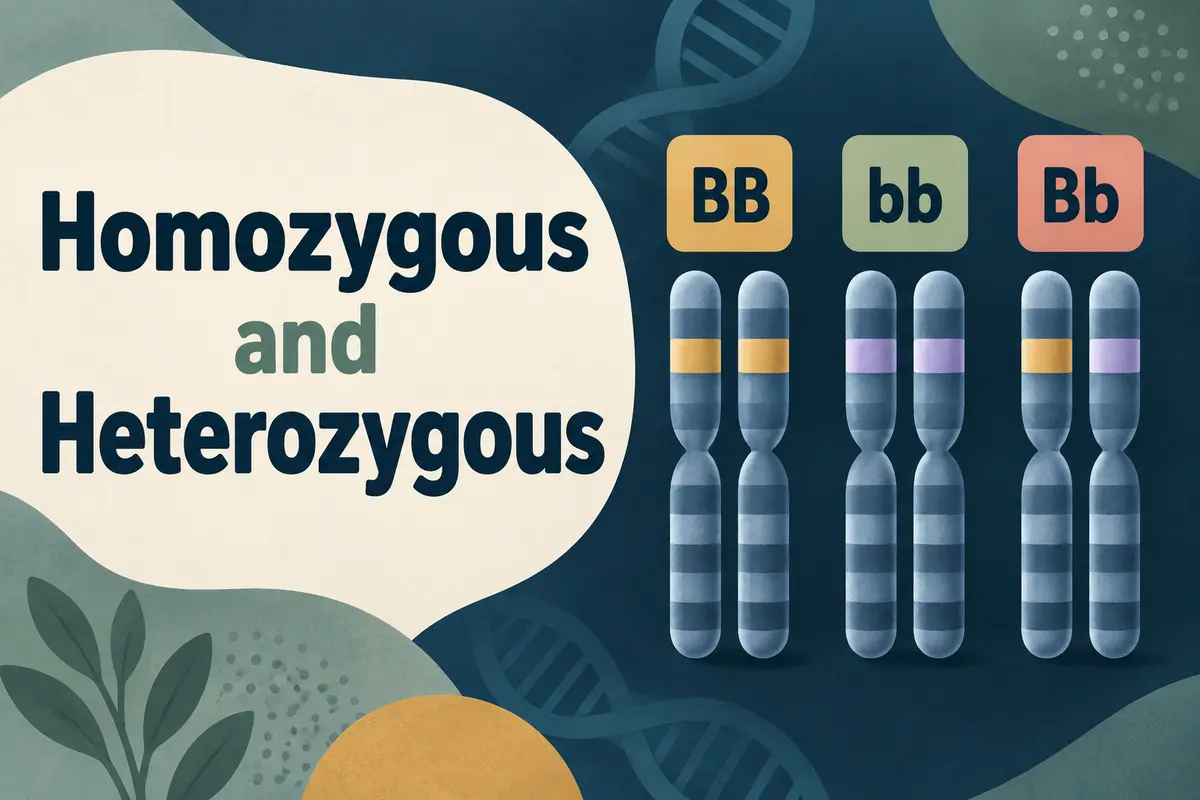
Classifying allele pairs and connecting them to inheritance predictions.
Start pathway →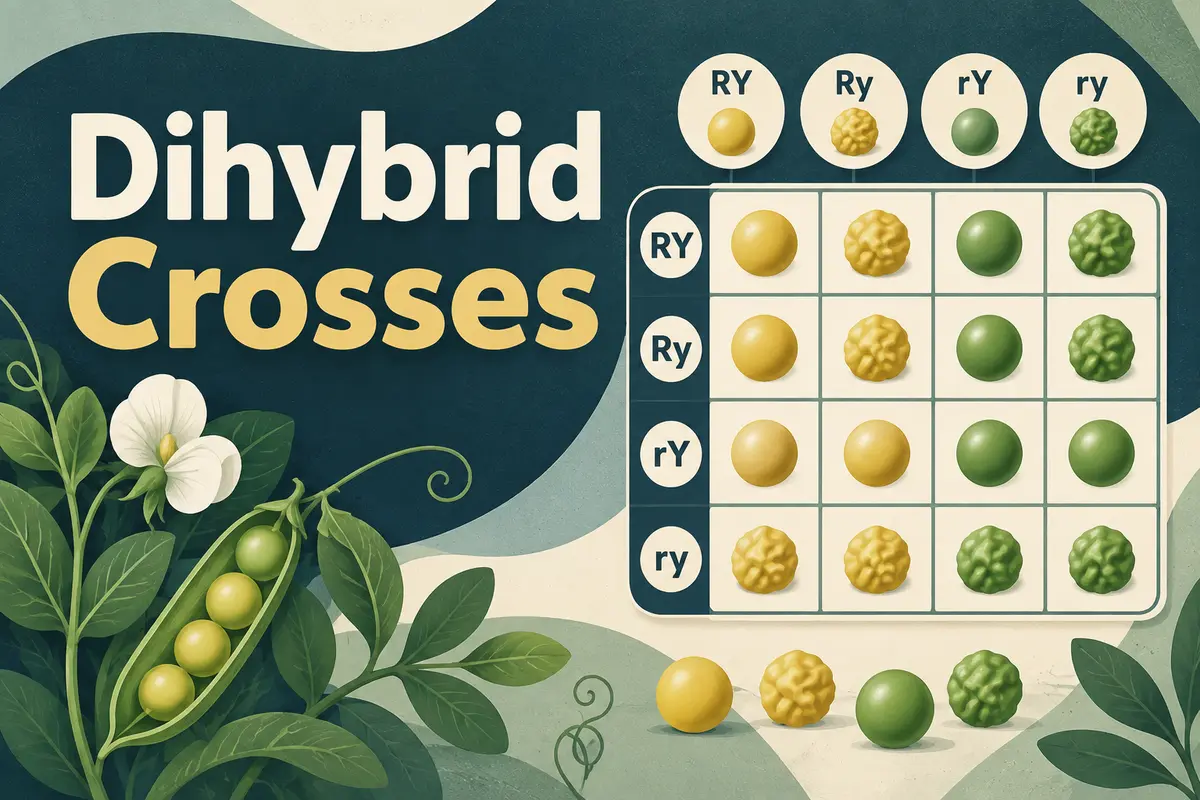
Predicting the chance of inheritance outcomes without treating chance as a guarantee.
Start pathway →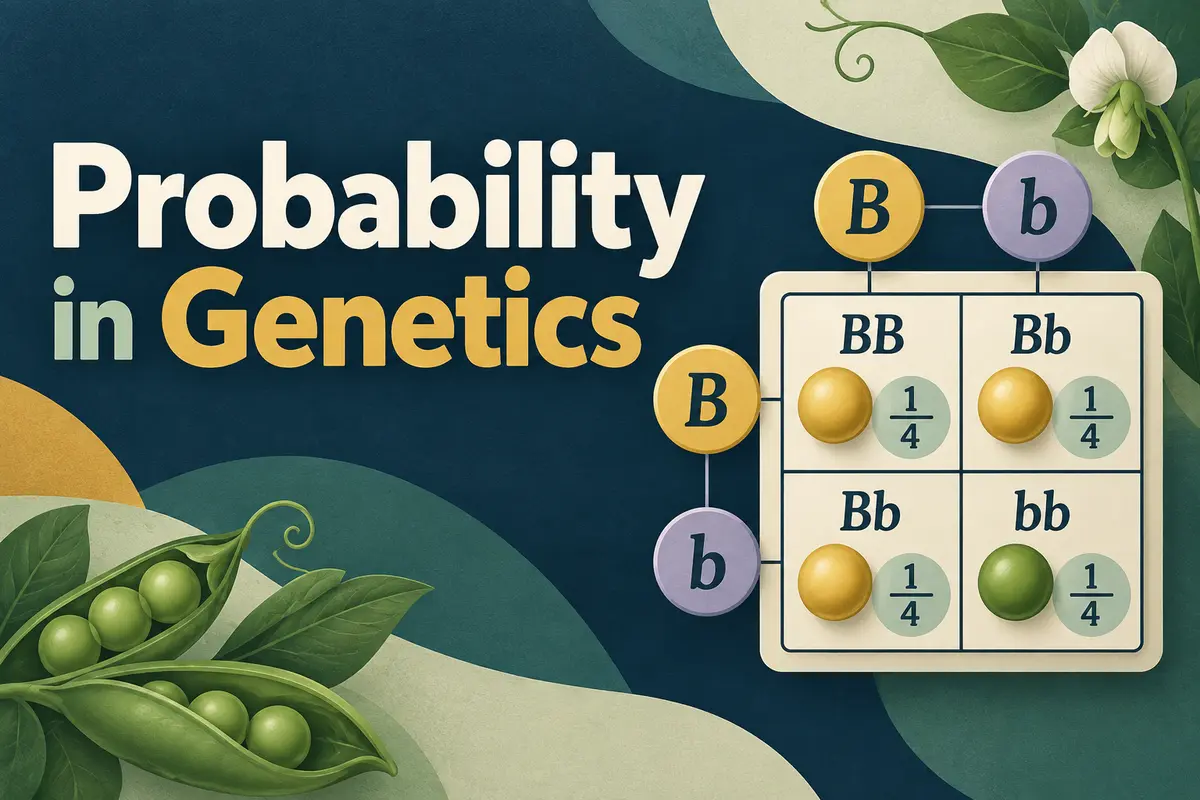
How controlled crosses and careful counting revealed basic inheritance patterns.
Start pathway →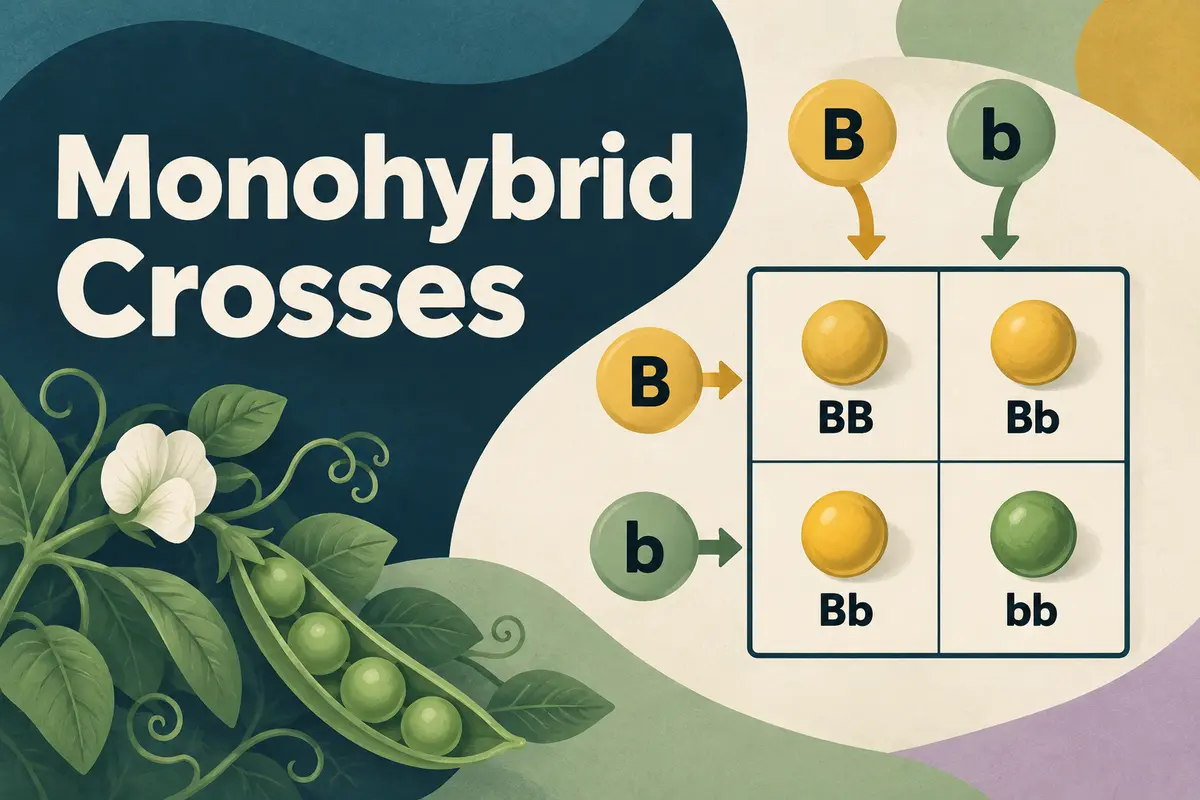
Using one gene at a time to predict possible offspring genotypes and phenotypes.
Start pathway →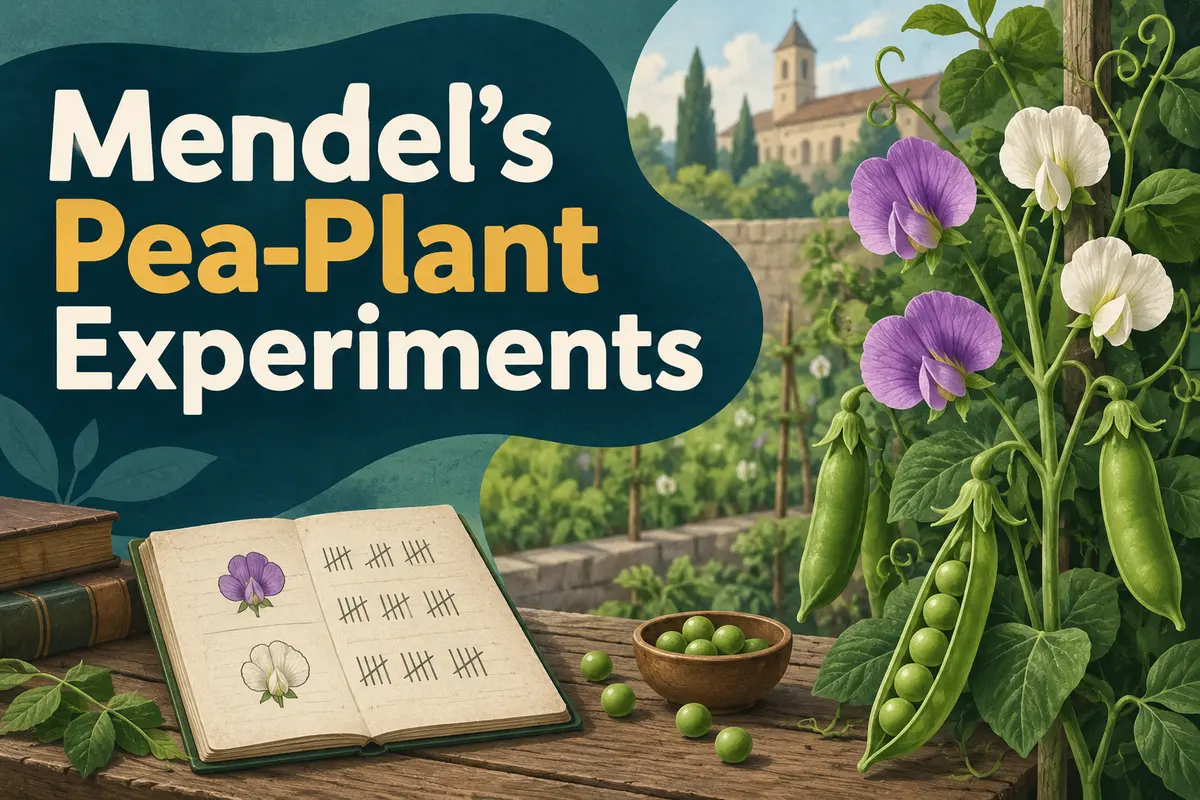
Tracking two genes while checking whether independent assortment is a reasonable model.
Start pathway →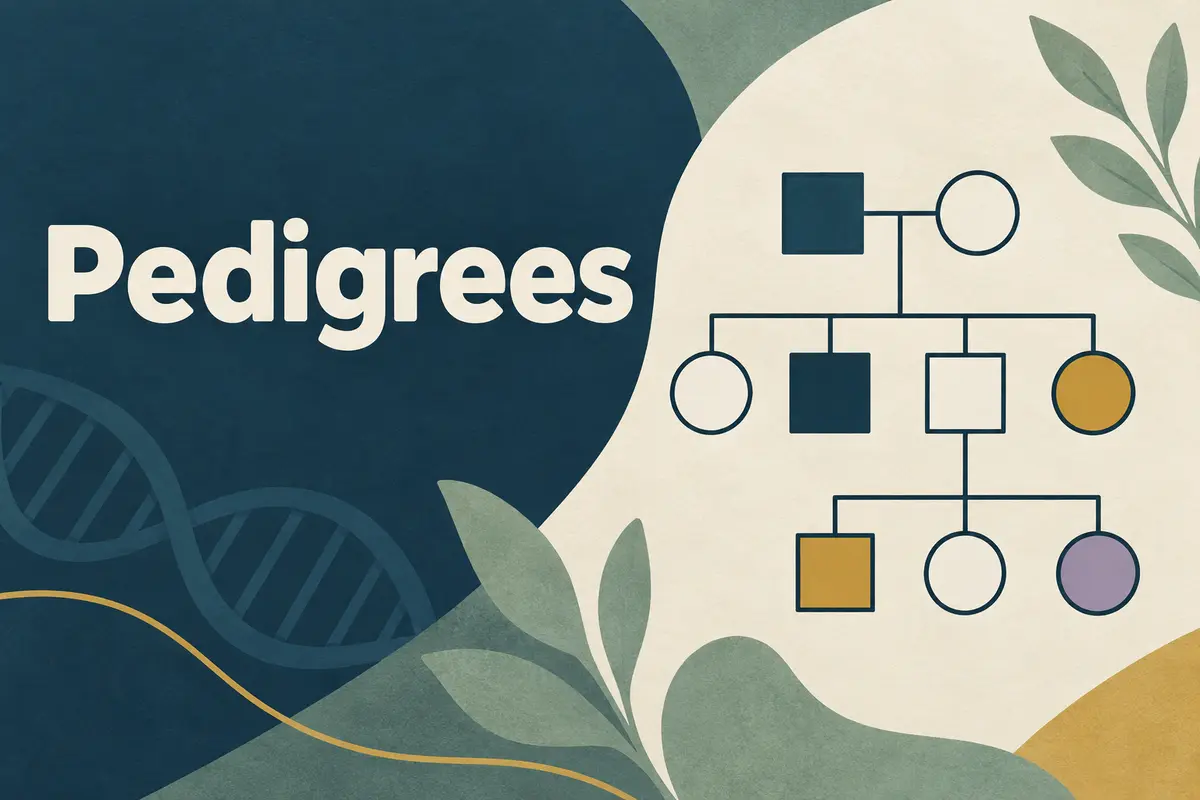
Using family diagrams to trace inheritance patterns while respecting uncertainty and privacy.
Start pathway →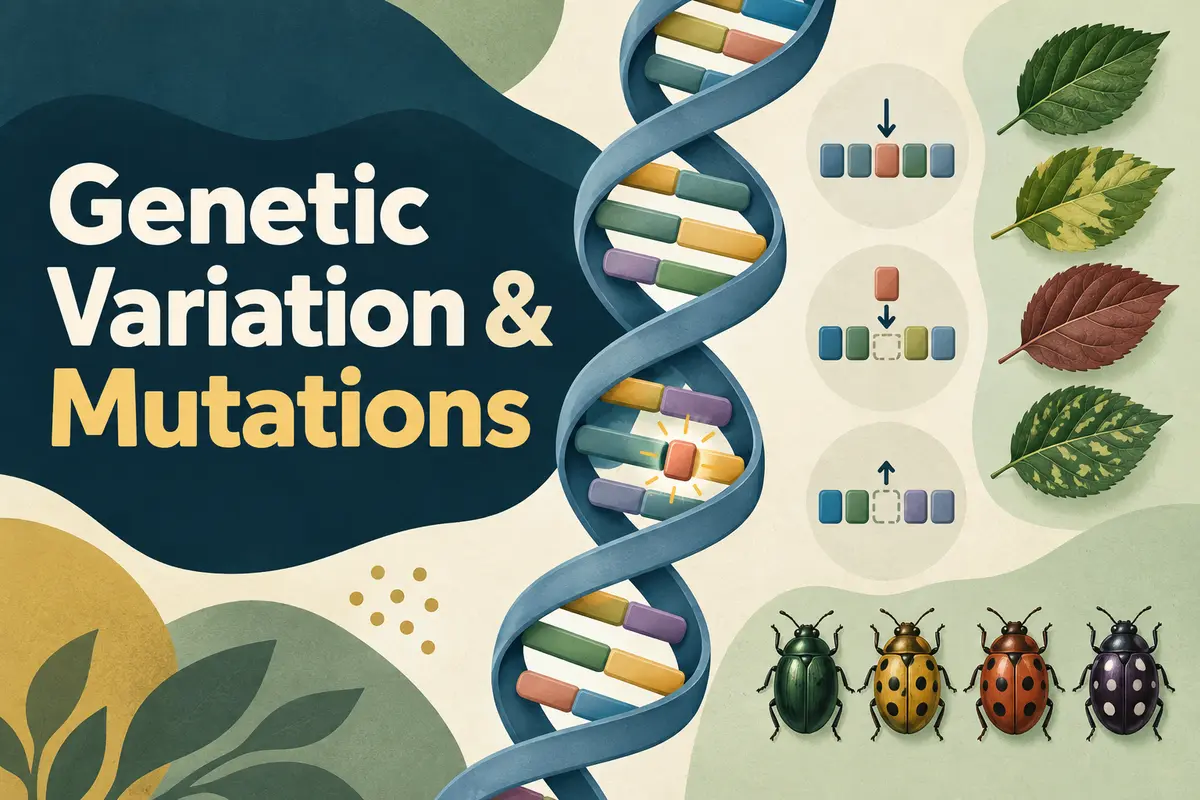
How DNA differences arise and contribute to diversity, health, and evolution.
Start pathway →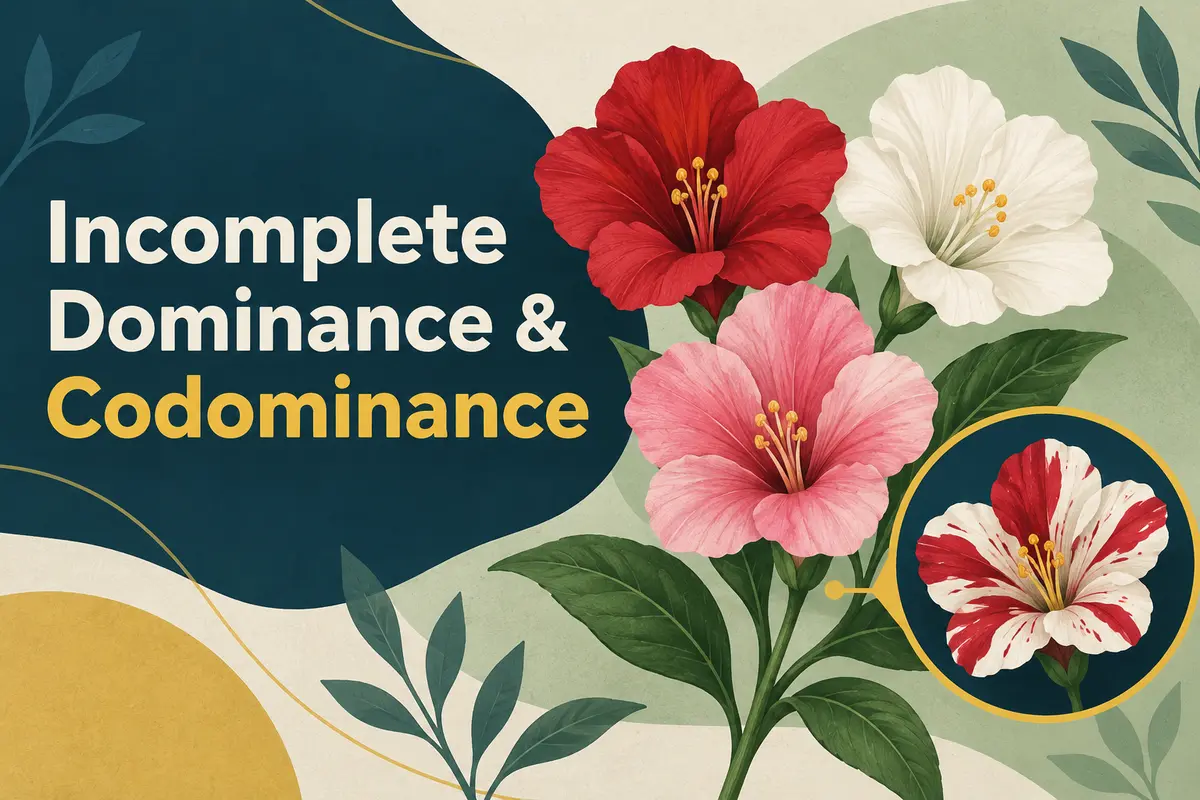
Two inheritance patterns that go beyond a simple dominant–recessive model.
Start pathway →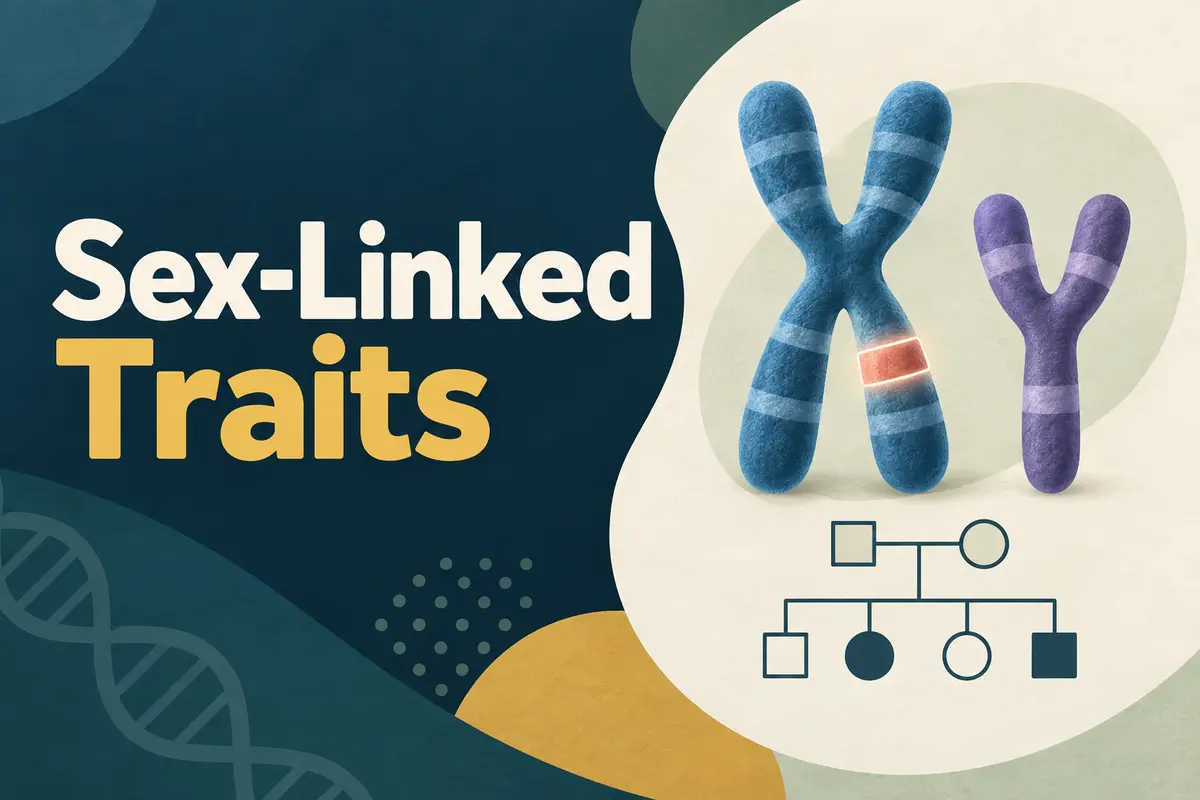
How genes on sex chromosomes can create distinctive inheritance patterns.
Start pathway →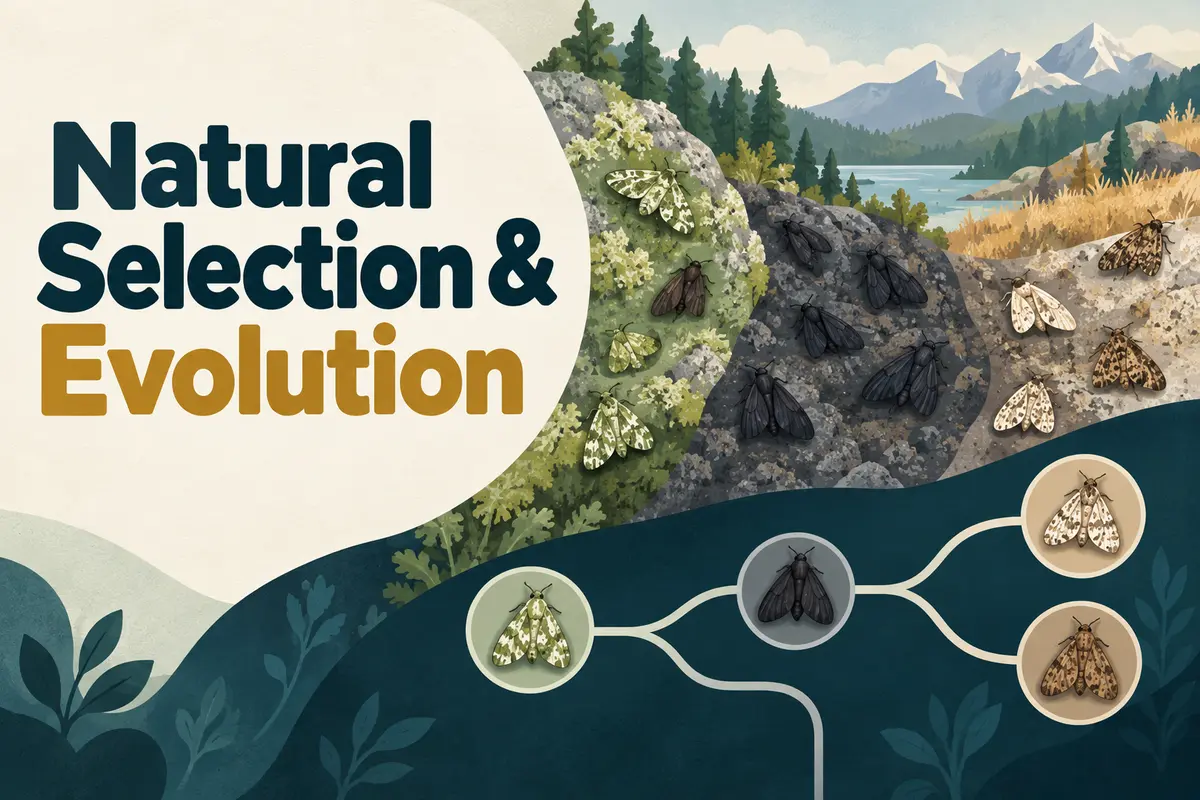
How heritable variation and differential reproduction change populations over generations.
Start pathway →Build your understanding with interactive lessons, step-by-step examples, and practice you can complete at your own pace.
No lessons match your search. Try a different keyword or category.