
Mean, Median, or Mode? Choose the Best Measure
Calculate mean, median, and mode, then decide which measure best describes a data set with an unusual value.

Explore new ideas, classroom activities, real-world connections, and stories from our classroom.
 Explore.
Calculate mean, median, and mode, then decide which measure best describes a data set with an unusual value.

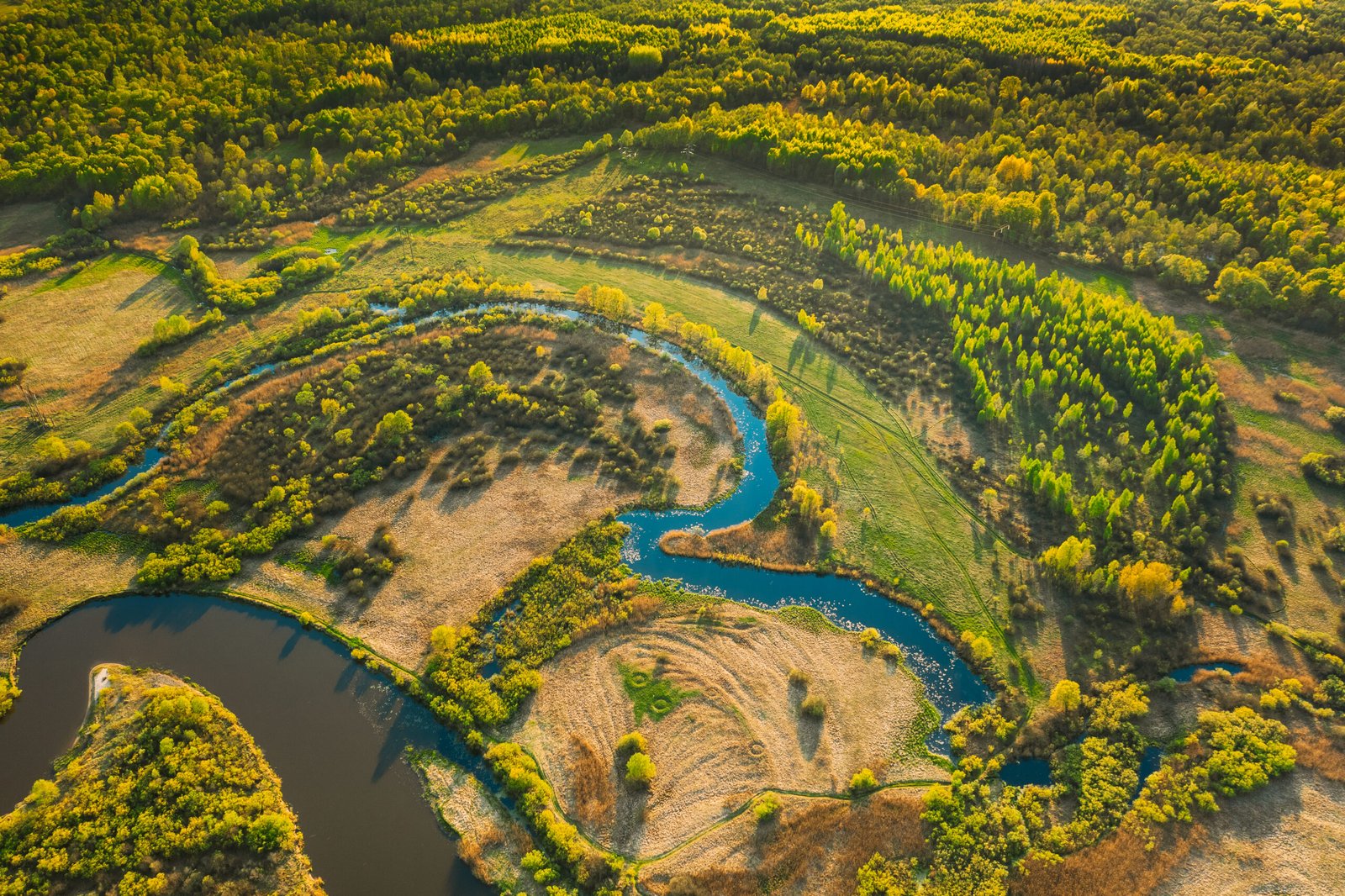
Trace how runoff can transport pollutants through a watershed, compare point and nonpoint sources, and use fictional turbidity data for a careful claim.

Edit a short paragraph for verb tense, agreement, contractions, and punctuation. Use a worked model, explain your choices, and try an independent revision.

Practice ratios in science with fictional population, solution, and scale data. Calculate unit rates, compare fairly, and explain what each ratio can and cannot show.

Run small-group instruction in middle school with clear roles, independent-work routines, a 20-minute rotation model, checks for understanding, and usable feedback.

Build a manageable middle school extra credit policy with clear limits, learning targets, submission routines, feedback, and a ready-to-use student script.
Use an animal habitat activity to connect food, water, shelter, space, adaptations, and food-web evidence in a focused middle school science response.

Compare fictional planet data in a middle school habitability activity, support a mission recommendation with evidence, and identify what the data cannot prove.

Use an engineering design challenge to identify a user problem, connect features to criteria and constraints, and plan a fair test for an original invention.