
Choose an animal and build a habitat that meets its real needs. Every detail should have a scientific reason.
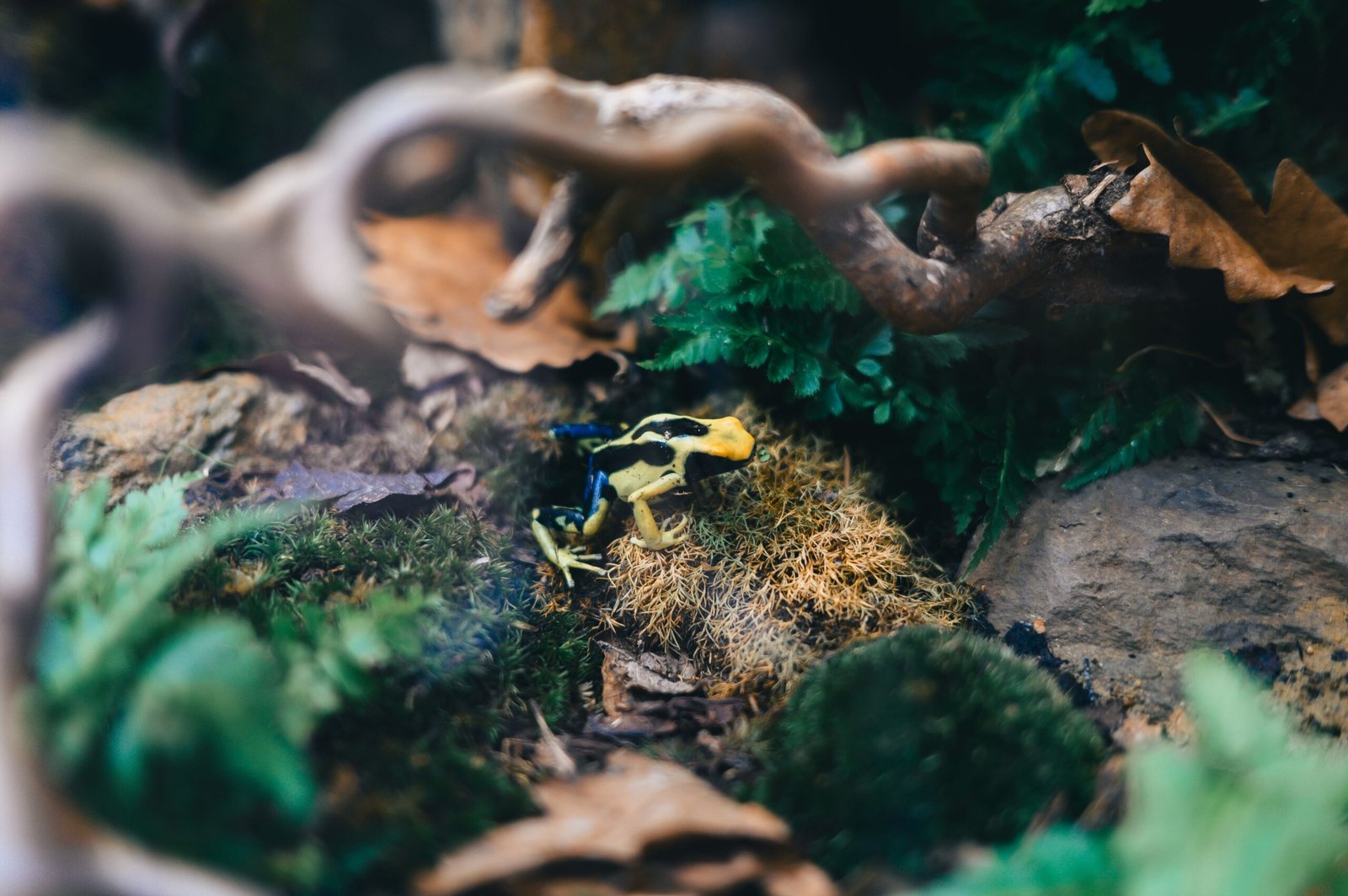
If you could design a place for one animal to live, what would you include—and why? The National Park Service describes habitat through four connected needs: food, water, shelter, and space. Your challenge is to turn those needs into a scientifically believable place.
I can use evidence about an animal’s needs and adaptations to design a habitat that could support it.
- I include food, water, shelter, and space.
- I connect at least two habitat features to adaptations.
- I explain relationships instead of listing unrelated details.
- I separate researched facts from my design choices.
Plan before you write
| Need | Question | Evidence to record |
|---|---|---|
| Food | What does the animal eat, and where will that food come from? | Prey, plants, or other food sources |
| Water | How does the animal obtain and use water? | Water source and seasonal availability |
| Shelter | Where does it rest, hide, nest, or raise young? | Vegetation, burrow, den, rocks, or other cover |
| Space | How much room and what connections does it need? | Movement, territory, migration, or access routes |
Worked model: a river otter habitat
National Park Service sources describe river otters as animals commonly found near water that eat aquatic prey such as fish and crayfish. Their webbed feet, streamlined bodies, closable nostrils, and sensitive whiskers support movement and hunting in water.
Connected river and wetland
Water gives the otter space to swim and access to aquatic prey.
Vegetated banks
Bank cover provides protected areas near the water. This is a design choice that would need site-specific research.
Fish and crayfish
The habitat must also support the smaller organisms and plants that help sustain the aquatic food web.
Model explanation: “I designed a connected river-and-wetland habitat for a North American river otter. The water supports swimming and hunting, while fish and crayfish provide prey. Vegetated banks add cover close to the river. Webbed feet and a streamlined body help the otter move through water, so the river is a necessary feature rather than decoration.”
Your turn: Build a habitat
Your big question: What would your animal need to survive in a habitat you designed? Choose one real animal. Think about food, water, shelter, and space.
Answer these two questions in 3–5 sentences:
1. What three features would you add to your animal’s habitat?
2. How would one of those features help the animal survive? Explain using one adaptation.
Extra challenge (optional): Name another organism in the habitat and explain how it interacts with your animal. Find a reliable source to check your idea.
Vocabulary: A habitat is the place and arrangement of resources an organism needs. An adaptation is an inherited trait that helps an organism survive or reproduce in a particular environment. A food web models feeding relationships among organisms.
Sentence frame: “My habitat includes ___ because the animal needs ___. The adaptation ___ helps it ___. The organism ___ is connected to my animal because ___.”
Check your scientific reasoning
A student writes, “My polar bear habitat has palm trees, warm ponds, and unlimited fish because it looks fun.” What needs revision?
Compare with a model response
The design lists features but does not connect them to evidence about polar bear needs or adaptations. The student should research the animal’s climate, food, shelter, and space needs; replace unsupported features; and explain how each remaining feature helps the animal survive.
Use feedback to revise
- If a detail is only decorative, connect it to a need or remove it.
- If you name an adaptation without explaining its function, add “This helps because…”
- If your food web is only a list, add arrows or sentences that show who eats whom.
- If a claim came from research, name or link the source.
- If you invented data or conditions, label them as design choices rather than facts.
Post your completed response in the comments below or use your teacher’s assigned response space. Your final writing should stand on its own even if you also create a sketch or Canva diagram.
Sources to explore
Use the National Park Service basics of habitat to review food, water, shelter, space, and arrangement. The Yellowstone river otter profile supports the worked example. Research your chosen animal with authoritative wildlife, park, museum, or university sources.




4 Responses
I designed a habitat for a river otter with clean rivers and fish and crayfish to eat . The river gives the otter the water and space it needs to swim and hunt. I planted plants and grass along the river banks for shelter and protection. It has webbed feet to help it to swim . Fish and crayfish are food for it to live .
A habitat for a Tree boa would have lots of tall trees with vines and lots of branches for the snake to climb up. They like to live in humid areas with water nearby. Their habitat would have to have lots of small bugs or rodents for them to eat because it cant live in a place without food for them.
A habitat for a Tree boa would have lots of tall trees with vines and lots of branches for the snake to climb up. They like to live in humid areas with water nearby. Their habitat would have to have lots of small bugs or rodents for them to eat because it cant live in a place without food for them.
A habitat for a Tree boa would have lots of tall trees with vines and lots of branches for the snake to climb up. They like to live in humid areas with water nearby.