
Small-Group Instruction: Routines That Keep Everyone Learning
Run small-group instruction in middle school with clear roles, independent-work routines, a 20-minute rotation model, checks for understanding, and usable feedback.

Explore new ideas, classroom activities, real-world connections, and stories from our classroom.
 Explore.
Run small-group instruction in middle school with clear roles, independent-work routines, a 20-minute rotation model, checks for understanding, and usable feedback.
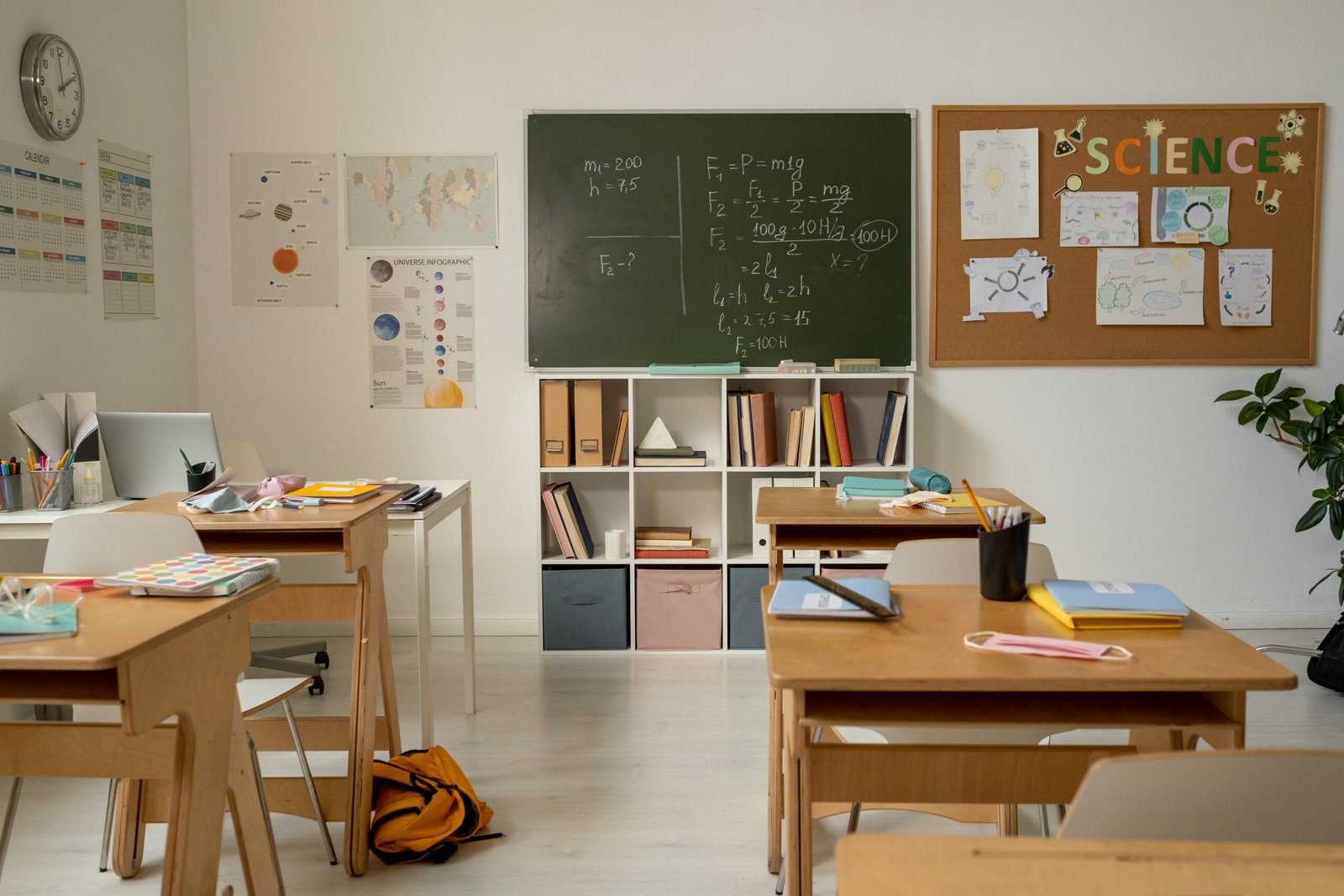
Build a manageable middle school extra credit policy with clear limits, learning targets, submission routines, feedback, and a ready-to-use student script.
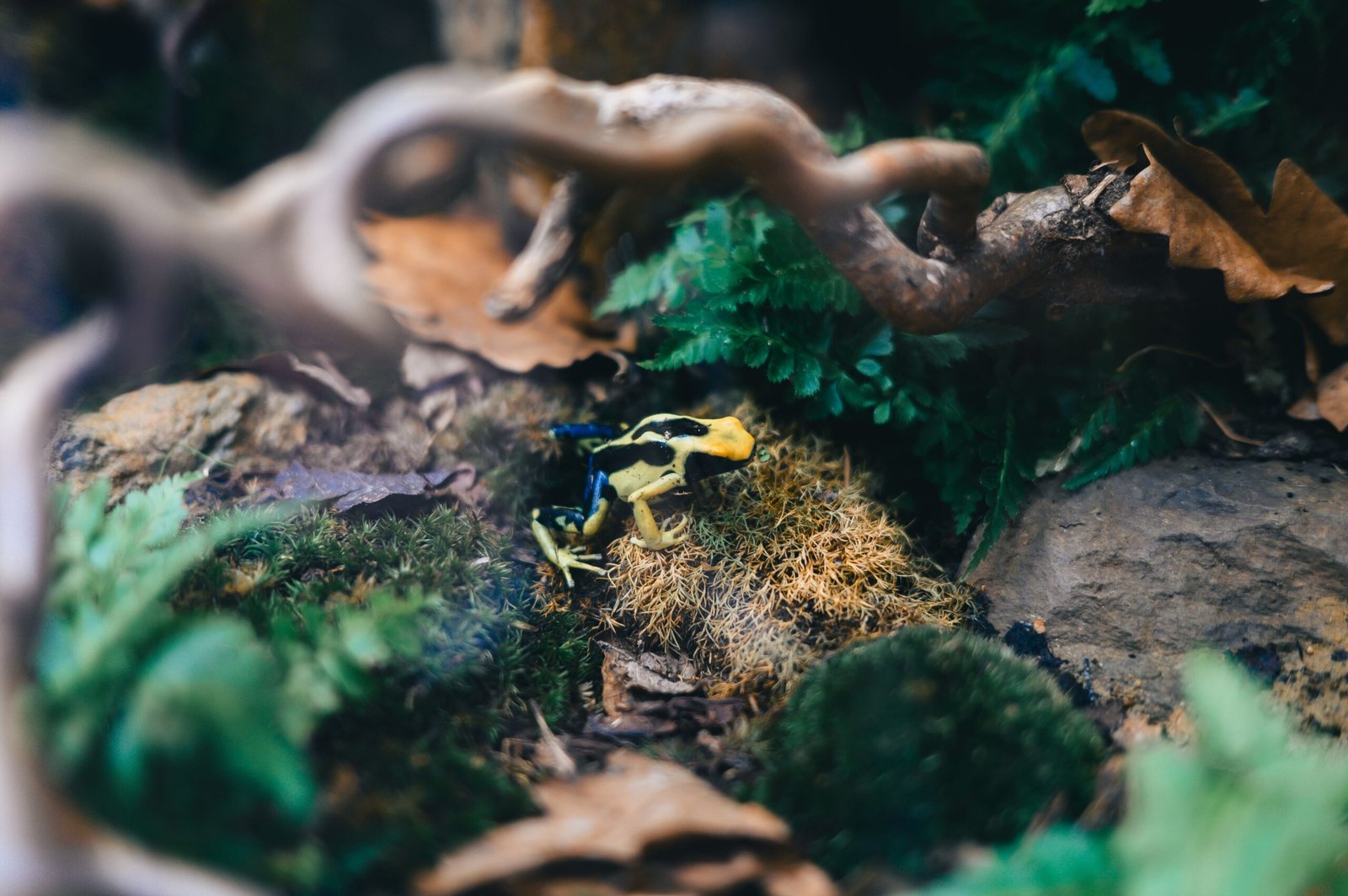
Use an animal habitat activity to connect food, water, shelter, space, adaptations, and food-web evidence in a focused middle school science response.

Compare fictional planet data in a middle school habitability activity, support a mission recommendation with evidence, and identify what the data cannot prove.

Use an engineering design challenge to identify a user problem, connect features to criteria and constraints, and plan a fair test for an original invention.

Explore decomposers and nutrient cycling with a clear model, fictional leaf-mass data, and an evidence-based explanation of where fallen leaves go.

Use an estimation challenge to test a $25 supply budget, explain a useful rounding choice, and decide when an exact calculation is necessary.

Make turn and talk in middle school purposeful with a focused prompt, think time, speaker and listener roles, sentence frames, and an individual check.
Plan a calm reset for teaching classroom procedures in middle school, with a clear target, a model, brief practice, and feedback students can use.