
Mystery Photo Science Warm-Up: Observe Before You Explain
Look closely. Which ideas come from the photo, and which ideas are explanations you are adding?
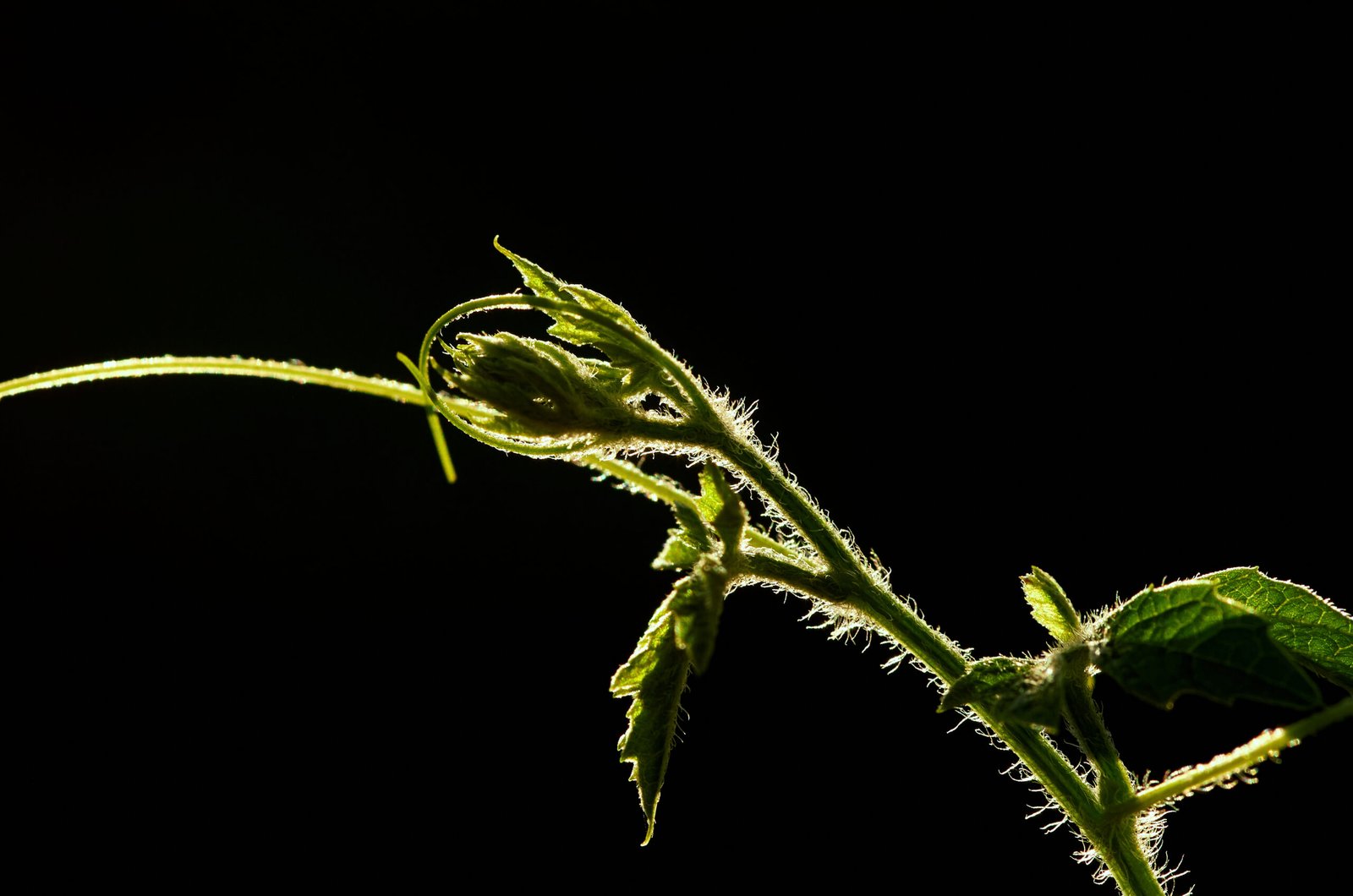
The photo above looks simple. That is what makes it useful. You can notice color, shape, position, and visible surfaces. You can also make guesses about what happened before the picture was taken. Those are different kinds of statements.
I want you to slow down long enough to separate observation from inference. An observation describes something you can see or measure. An inference offers an explanation based on evidence and what you already know. An inference can be reasonable without being certain.
I can distinguish observations from inferences so I can explain what evidence supports an idea.
- I describe visible details precisely.
- I label an explanation as an inference.
- I name evidence that could help me check the explanation.
Make a two-column evidence record
Study the picture for 30 seconds. Write three observations before offering an explanation. Do not worry about naming the species; the photo alone may not be enough to identify it.
Color, the outline of a leaf, where the shoot appears relative to the visible surface, or how one part is positioned compared with another.
What happened earlier, what the plant needs, or why a visible feature developed. These ideas need more evidence than a single photograph.
Test the wording of your statements
Compare these sentences: “The shoot is green” and “The shoot is healthy.” Green is a visible color. Healthy is a broader judgment that would require information about the plant’s condition, species, and growth over time.
Another example: “I can see material around the base” describes the image. “It was watered this morning” proposes an event you did not observe. Even if that event is possible, it is not established by the photo.
Useful vocabulary: observation, inference, evidence, and uncertainty. Try: “I observe ___. I infer ___ because ___. To check that explanation, I would need ___.”
Choose a question you could investigate
- Write one inference about the photo.
- Underline the visible detail that led you to it.
- Write a question that would let you collect additional evidence.
- Name what you would observe or measure, and over what time period.
Try this revision: Change “Is this a good plant?” into a question that names a measurable feature. For example: “How much does this shoot’s height change over seven days?”
That question does not explain what caused any change. To investigate a possible cause, you would need a comparison and a plan for keeping other relevant conditions consistent. One photograph is a starting point, not the whole investigation.
See a model response after you write yours
“I observe a green shoot. I infer that it has been growing before the photo was taken, but I cannot determine its age from this image. To learn more, I would measure its height on the same schedule for several days and record the conditions.”
A strong response identifies what is visible and keeps the explanation appropriately limited. Different observations are possible; they should match details you can actually point to.
Quick check: observation or inference?
Label each statement, then explain your choice: A. “A green part is visible.” B. “This plant grew faster because it received fertilizer.”
Check and revise
A is an observation about visible color. B is an inference about a cause; the photo does not show measurements, a comparison group, or fertilizer use. If your explanation treats a guess as a fact, add “I infer” and identify the evidence you still need.
Use your notebook or your teacher’s assigned response space. For more evidence practice, visit the life science virtual labs. Label any data from those activities as simulation data.
Science practice connection
This activity practices using observations as evidence and recognizing their limits, supporting the work described in NGSS Appendix F. It does not establish a cause or identify a species from the photograph.



9 Responses
I observe that the plant has something fuzzy on it. I infer that it helps the plant live because certain plants have certain things they need and things on the to keep them alive. To check that explanation, I would need the plant and a magnifine glass to see a clear view of everything on the plant.
I observed the leaves of the plant. I infer that the leaves take in a lot of moisture because the leaves are green. To check that explanation, I would need to see the plant in person.
I think the plant was just fertilized because it looks healthy. Its a green plant that is still young. It also has short hairs growing out of the sides.
What I observe from this plant is, A the plant in green, B the plant has hairs on it. Did you know plants have hairs to act like a survival toolkit against weather, animals, dehydration.
My inference is that the plant is not dying because I noticed that it’s still green. But to be able to know that for sure, I would have to observe it over a time period. I would need to track how much water it gets, how much sunlight it gets, and how much it grows.
I observed the little spikes on the plant. I infer they help protect the plant because herbivores and insects usually eat plants. To check that explanation, I would need a plant without spikes and a plant with spikes. I also observed that the plant is green and plants are usually green, but why are they green? It usually means it’s healthy and etc. But when it’s really dark green it could have too much nitrogen or that’s just how the plant normally is. And I also noticed that the plant looks like it just started its growing process. So that plant might thrive and last for a long time or it might die and shrivel up. But people can test that with two different plants like you can put a plant 1 in a very humid place but it doesn’t have lighting and for plant 2 you could put it in a dry place but it has lighting and see which one dies faster personally I think plant 2 is going to die faster because its going to dry out.
I noticed that the plant has very small micro hairs. I noticed this because in the golden lighting the hairs are a glowy pretty gold. However, what does the other side look like? does it have more hairs, or less? I would observe the rest of the plant and notice how it grows. Over the period time of every day.
I observe a small green plant growing out of the soil. The plant has green leaves and a thin stem I think the plant grows because it has water and sun. I would measure the plant every day for a week to see how much it grows. And to see how long it grew in one week.
I observe that the plant is green. I infer that the plant has leaves, but I can’t see exactly how much, since it’s cut off-screen. To check that explanation, I would need to see the whole plant. My question is, I wonder how tall it is. If I could see that, I would measure how tall it is.