
Rainbow trout are more than just fish people talk about when they go fishing. They are living examples of how animals grow, survive, and depend on their environment. In this post, you will learn about the rainbow trout life cycle and habitat, including where they live, how they grow, and what they need to survive.
Understanding this helps us see how ecosystems work and why protecting habitats matters.

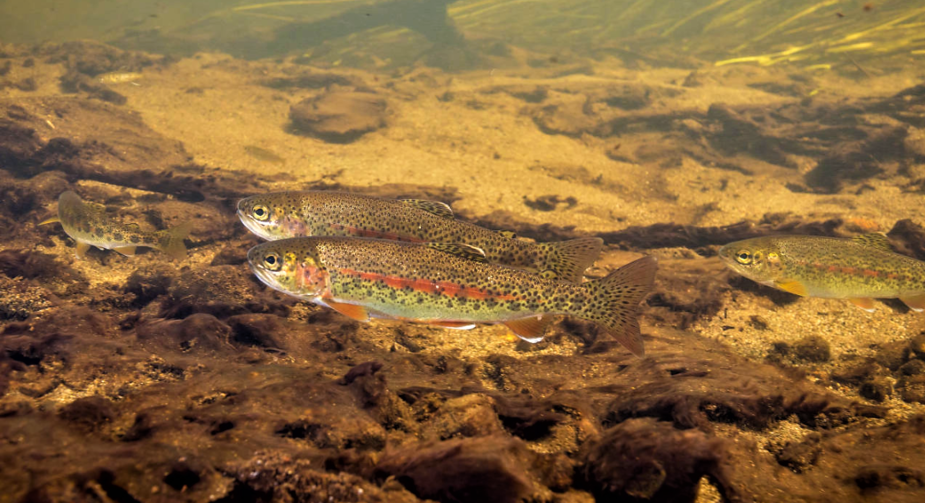

What Is a Rainbow Trout?
A rainbow trout is a freshwater fish found in rivers, streams, and lakes. They are named for the colorful stripe that often runs along their side. Rainbow trout are sensitive to changes in their environment, which makes them a good species for studying ecosystems.
They need clean, cold water with plenty of oxygen to survive.
Rainbow Trout Life Cycle
The rainbow trout life cycle has four main stages. Each stage depends on the habitat staying healthy.
1. Egg
Rainbow trout begin life as eggs laid in gravel nests called redds. These eggs need cold, clean, fast-moving water so oxygen can reach them.
2. Alevin
After hatching, the baby fish is called an alevin. It stays hidden in the gravel and lives off a yolk sac attached to its body.
3. Fry
Once the yolk sac is gone, the fish becomes a fry. Fry swim freely and begin feeding on small insects and organisms in the water.
4. Adult
Adult rainbow trout are strong swimmers. They hunt for food, avoid predators, and eventually return to gravel beds to reproduce and continue the life cycle.
Rainbow Trout Habitat
The rainbow trout habitat is just as important as the life cycle itself.
Rainbow trout live in:
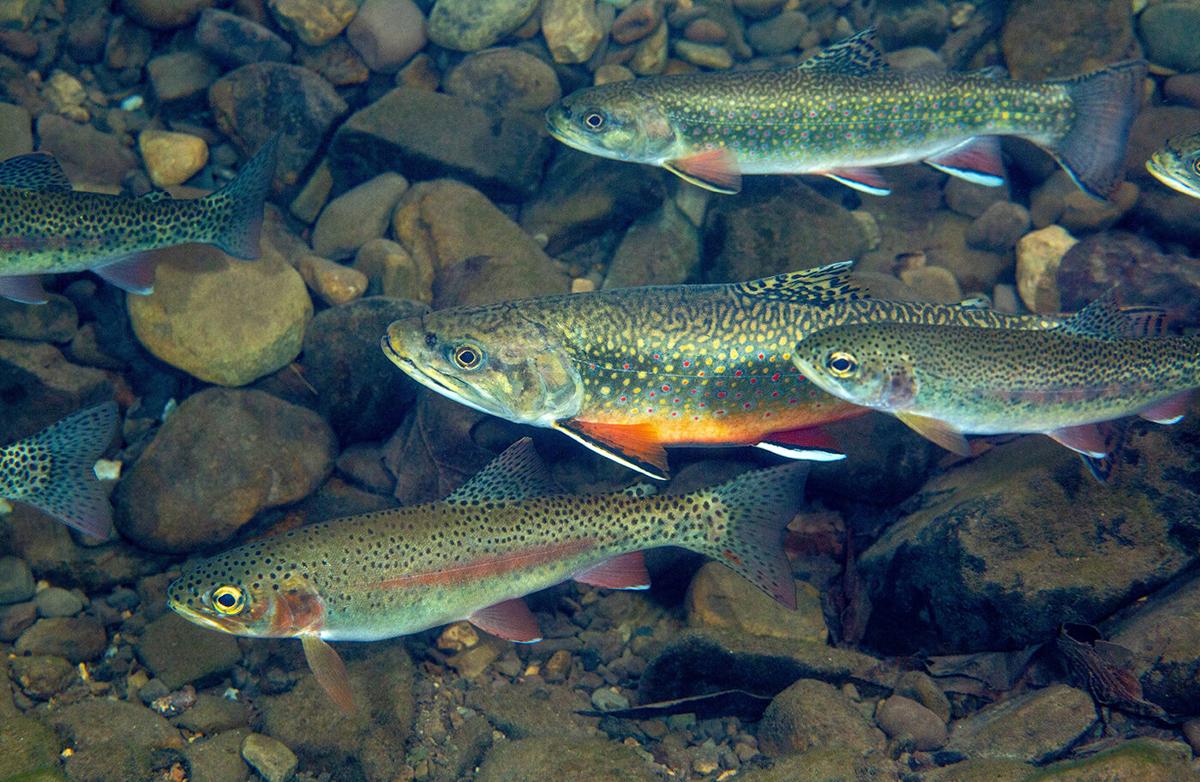
- Cold rivers and streams
- Clear lakes with high oxygen levels
- Areas with gravel bottoms for laying eggs
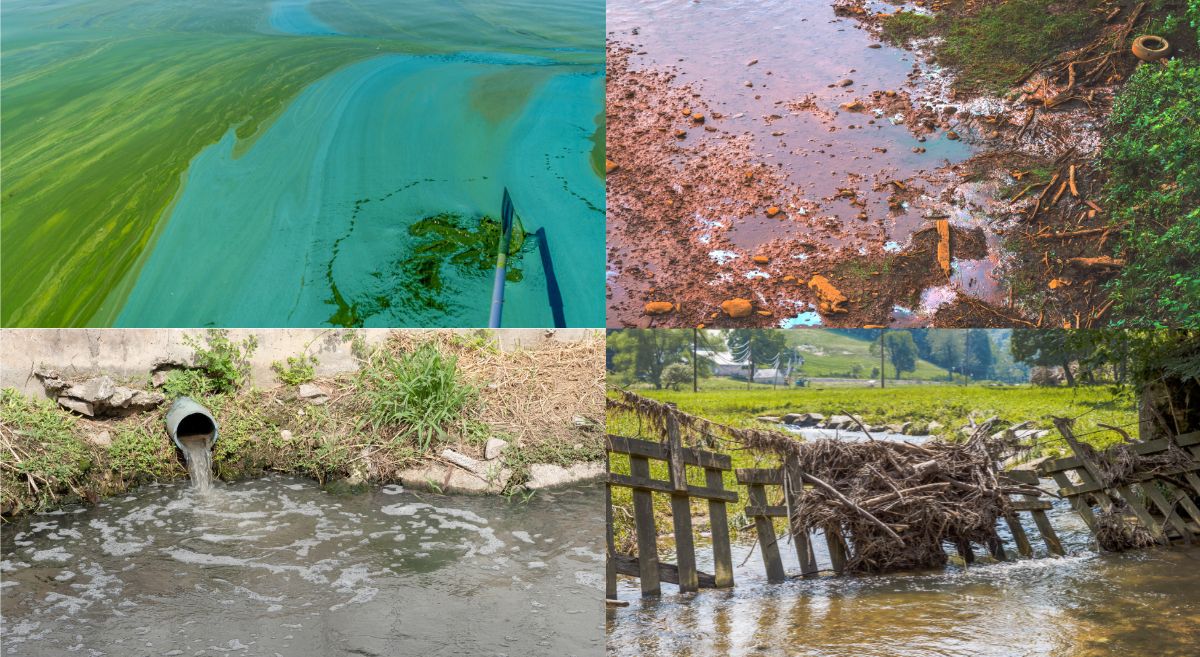
They struggle to survive if:
- Water becomes too warm
- Pollution lowers oxygen levels
- Dams or trash block water flow
This is why scientists use trout to measure the health of waterways.

Why This Matters
Learning about the rainbow trout life cycle and habitat is important because you will see it happen in real life. Our class will be receiving rainbow trout eggs and caring for them as they grow through the early stages of their life cycle.
As we observe the eggs hatch and develop, you will see how water temperature, oxygen, and cleanliness directly affect whether the trout survive. This makes the science real, not just something you read about.
When the trout are strong enough, we will release them into a lake in our community. This shows how classroom learning connects to real ecosystems and why protecting habitats matters beyond school.
You are not just learning about trout. You are helping support a living population in our local environment.
Student Task: Show What You Know
Directions:
Reply in the comments using complete sentences.
- Describe one stage of the rainbow trout life cycle.
- Explain one feature of the rainbow trout habitat that helps them survive.
- Explain why clean water is important for rainbow trout.
Writing Expectations
- 5–7 complete sentences
- Use the words: habitat, life cycle, environment
- Stay on topic
- Write in your own words
When you’re finished, check out the rest of our blog for more tips, ideas, and activities to help you learn and grow. Be sure to follow our classroom Instagram page for behind-the-scenes moments, project highlights, and fun updates. Let’s work together to make learning fun, exciting, and something you look forward to every day!


7 Responses
The egg is the most important stage of a trout’s life, as their life depends on it. Mature trouts lay their eggs and restart the cycle again. A trouts unique color could help them camouflage and have a higher chance of surviving. Clean water heavily boosts a trouts chances of surviving greatly. Pollution can affect living by trapping or harming them. Trouts unique traits can give them an advantage in nature. However, they are also prey, putting them at risk.
One stage of the rainbow trout life cycle is a fry. For example, once the yolk sac is gone, the fish becomes a fry. Fry swim freely and begin feeding on small insects and organisms in the water. One feature of the rainbow trout habitat that doesn help them survive is that the water becomes too warm, pollution lowers oxygen levels, and dams or trash block water flow. Features of the rainbow trout habitat that does help them survive is that the cold rivers and streams, clear lakes with high oxygen levels, areas with gravel bottoms for laying eggs. Clean water is inportant to rainbow trouts because with dirty water can cause to low oxygen and less space to lay eggs. The environment rainbow trouts need is a cool, clear, and well-oxygenated aquatic environment.
The one stage of the rainbow trout life cycle is a fry. A fry is a stage where the fry can swim free and eat small insects. One feature of the rainbow trout habitat that helps them survive is warm water and it has to be a little warm. Another feature is an adult is a fast swimmer to swim away from predators. clean water is important for rainbow trout because clean water has clean oxygen and a rainbow trout needs a lot of oxygen.
the rainbows habitat is cold rivers and streams it struggles in warm water. the trout also struggles in low oxygen levels and lives in high oxygen water. when the trout wants to lay eggs it needs gravel and if the dam is blocking the water flow or has trash in the water it struggles. the life cycle is egg, larva, and juvenile fish, then it matures into an adult. the environment it needs to live is a fresh current or river, oxygen, and gravel to lay their eggs for reproduction. and that is the life of a trout and the environment it needs to live in to survive or dies.
1. One stage of the rainbow is adult, they can hunt, and become excellent swimmers, also protect them and their kids from predators, and lastly, reproduce to restart the cycle once again. 2. one feature of a rainbow trout habit that helps them survive is, cold, and well oxygen water.3.Clean water is important for the rainbow trout because if the water is not clean then it can be very dangerous and can be bad for the environment and population.
Something about rainbow fish egg is that when they are in the eggs they lay in gravel nests that are called redds. Those eggs need to be clean, cold and they have to be fast moving water so the water can give them oxegyn. One habitat they have is they live in clear water. Also, they live in clear rivers with high oxegyn level that helps them survive because if they don’t have that clean water then they will die because the water will get paludid and they will die so habitat helps them survive because it keeps them alive.
One thing about rainbow fishes that when they are eggs they lay in gravel nest that are called redds. One habit they have is that they live in cold rivers and clear water lakesand rivers. This helps them survive because if they don’t have clean water or cold water the water will become hot or warm and they will die and if they had dirty water they would also die because it would get contaminated. clean water is important for the rainbow fish because I’d they have dirty water then they will die because of all the chemicals the water has because of the trash.