
Math and Science Extra Credit Activity: Plant Growth Data
This math and science extra credit activity gives you a quick opportunity to improve your grade while practicing real skills. You will analyze plant growth data, create a graph on paper, and explain your reasoning using evidence.
This assignment should take about 10–12 minutes if you stay focused. However, you must complete both parts to earn extra credit.
Part 1: Paper Activity (Turn This In)
In this math and science extra credit activity, you will examine how sunlight affects plant growth.
The Scenario
A student measured two plants for five days.
- Plant A was placed in full sunlight.
- Plant B was placed in partial shade.
Data Table
| Day | Plant A (cm) | Plant B (cm) |
|---|---|---|
| 1 | 5 | 5 |
| 2 | 6 | 5 |
| 3 | 8 | 6 |
| 4 | 10 | 6 |
| 5 | 13 | 7 |
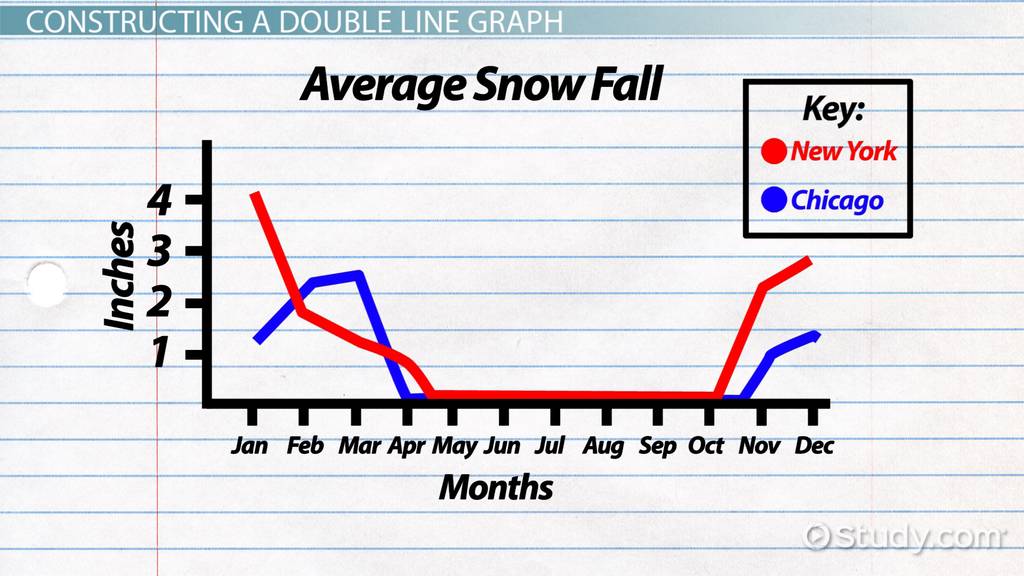
Step 1: Create a Double Line Graph
On paper:
- Label the X-axis: Day
- Label the Y-axis: Height (cm)
- Plot both plants on the same graph
- Use different symbols or colors
- Include a clear title
Both lines must appear on the same graph so you can compare the data accurately.
Step 2: Answer in Complete Sentences
- What pattern do you notice in Plant A’s growth?
- What pattern do you notice in Plant B’s growth?
- How much total growth did each plant have from Day 1 to Day 5? Show your math.
- Based on the evidence, how does sunlight affect plant growth?
You must show your calculations and explain your reasoning. Answers without thinking do not count.
Part 2: Online Reflection (Required)
After you turn in your paper work, scroll down and post a 4–6 sentence reflection in the comments.
Your reflection must explain:
- How the graph helped you compare the plants
- Which math skill you used the most
- Why data collection matters in science
This reflection is part of the math and science extra credit activity. If you skip it, you do not earn the credit.
Extra Credit Rules
To receive credit for this math and science extra credit activity, you must:
- Turn in your completed paper graph and written responses
- Post your reflection online
- Show clear reasoning
- Complete both parts
This activity strengthens your ability to graph data, calculate change, compare results, and support claims with evidence.
Take your time. Show your thinking. Improve your grade.
When you’re finished, check out the rest of our blog for more tips, ideas, and activities to help you learn and grow. Be sure to follow our classroom Instagram page for behind-the-scenes moments, project highlights, and fun updates. Let’s work together to make learning fun, exciting, and something you look forward to every day!



3 Responses
The pattern I notice on plant A´s growth is that the plant is growing in a diagonal line pattern. The pattern I notice on plant B´s growth is that the plant is growing in a zig zag pattern. Plant A grew 13 cm, while plant B only grew 7 cm. The sunlight affects the plants because plant A is getting more sunlight than plant B making plant A be more succesful than plant B. The graph helped me compare the plants because it measures how big the olant grows throughout the week days. I used X x Y stradegy throughout this whole problem. Data collection matter in science because it provides the empirical evidence needed to test hypotheses, validate theories, and ensure research integrity.
1. The graph helped me compare the plants by showing me visually how the plants grow on the chart. It visually showed me that Plant A grew way more faster than Plant B did.
2. The math skill that I used the most while calculating the questions was subtraction, because I subtracted Day 5’s measurement with Day 1’s to help me find the difference.
3. Data collection is important for science because it helps scientists observe the behavior of each plant. If I was a scientist, I would observe that putting plants in sunlight would help more than partial sunlight.
1.The pattern I noticed in plant A growth is the growth was big. 2. The pattern I notice in plant B’s growth is it was slow, 4 days to only grow 2 cm. 3. Plant A, In total had only 2 cm of growth. 4. Sunlight affects growth by, the data, and photosynthesis.