
If an organism is new to you, does that automatically make it invasive?
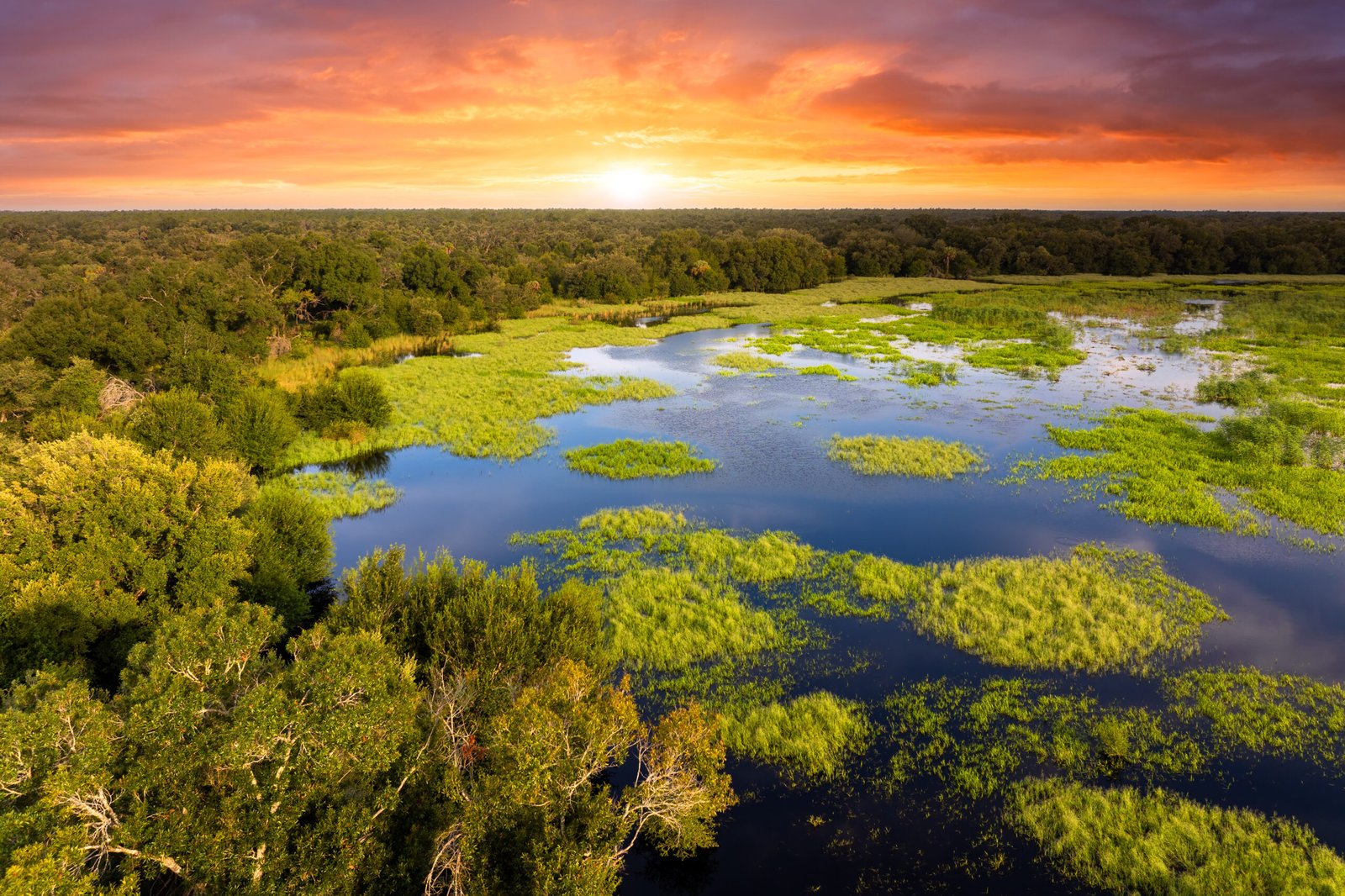
A native species occurs naturally in a particular region. A nonnative species arrived outside its native range because of human activity or its effects. Nonnative does not automatically mean harmful.
An invasive species is nonnative and causes, or is likely to cause, environmental, economic, or human-health harm. Scientists examine evidence about range, introduction, spread, and impact before making a careful claim. One sighting—or simply saying “I have never seen it”—cannot establish all of those facts. Keep observations separate from inferences: a site count is observed data; “the population is spreading” is an interpretation of a pattern.
I can classify evidence about a species so I can explain why nonnative and invasive do not mean the same thing.
- I use evidence about native range, spread, and harm.
- I separate an observation from an inference.
- I name missing evidence when a claim is uncertain.
Your core challenge
Rainy-year herons
A heron species is native to the region. It is seen at 6 ponds one year and 14 ponds after a rainy winter. No introduction by people is reported.
Garden escape
A plant from another continent appears near a trail after garden soil is dumped. Two plants survive one season. No spread or harm has been measured.
Write 3–5 sentences that answer two questions:
1. Is Case A native or invasive? Explain using the evidence.
2. Can Case B confidently be called invasive? What important evidence is missing?
Sentence starter: “Case ___ is ___ because ___. We still need evidence about ___.”
Optional stretch challenge
Explain why “unfamiliar” is not a scientific category and name one reliable source you could use to check a species’ native range.
Use this evidence check
Is it outside its native range?
How did it arrive?
Is it established or expanding?
What impact is measured or likely?
Worked example: a different fictional species
| Evidence | Observation |
|---|---|
| Range and introduction | The snail is from another continent and was first recorded near a reported aquarium release. |
| Spread | It was recorded at 2 sites in 2019, 9 in 2022, and 21 in 2025. |
| Impact | After 14 days, matched enclosures had 18 g of native plant material with snails and 42 g without snails. |
Model claim: The fictional evidence supports classifying the snail as invasive: it is nonnative, has an introduction pathway, expanded to 19 more recorded sites, and is connected with 24 g less plant material in the controlled comparison.
Limit: The evidence does not prove every ecosystem effect. Scientists would repeat the trial and continue field monitoring.
Check and revise
- Did you use the word native, nonnative, or invasive accurately?
- Did you cite what the case actually says?
- Did you avoid treating one sighting as proof of spread or harm?
- Did you name the missing evidence in Case B?
Compare with one possible answer
Case A is native because the case states that the heron naturally occurs in the region; the larger pond count after a rainy winter does not make it invasive. Case B is nonnative because it came from another continent through dumped garden soil. It cannot yet be called invasive because the case gives no evidence that the plant is spreading or causing harm.
Record your classification in your notebook or your teacher’s assigned response space. If your teacher directs you to use the comments, post one evidence-based classification below. For another model-based activity, explore the virtual labs.
Safety and California reporting guidance
Do not release pets, aquarium plants, bait, or classroom organisms into the wild. Do not handle an unknown organism just to collect evidence. California students can review the Department of Fish and Wildlife guidance for preventing introductions and its reporting page.
Sources to explore
Definitions and impacts: U.S. Geological Survey, “What is an invasive species?” and the USGS impact guide. California guidance: CDFW Invasive Species Program and About Invasive Species in California. The species, cases, counts, comparison, and answers here are fictional teaching materials.




3 Responses
Case A is native because the heron species already belongs to the region and was not introduced by people. Its population simply increased naturally after a rainy winter created better conditions. Case B cannot confidently be called invasive yet.
Case A is native as the herons are native to the area. They went from 6 ponds to 14 ponds but that doesn’t make them invasive. The plant in case B is nonnative (because it came from a different continent), but we don’t know whether it’s spreading or causing harm. Scientists need more evidence before calling it an invasive species.
Case A is native as the herons are native to the area. They went from 6 ponds to 14 ponds but that doesn’t make them invasive. The plant in case B is nonnative (because it came from a different continent), but we don’t know whether it’s spreading or causing harm. Scientists need more evidence before calling it an invasive species.