

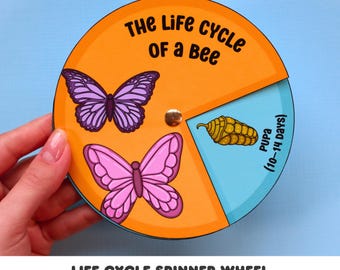
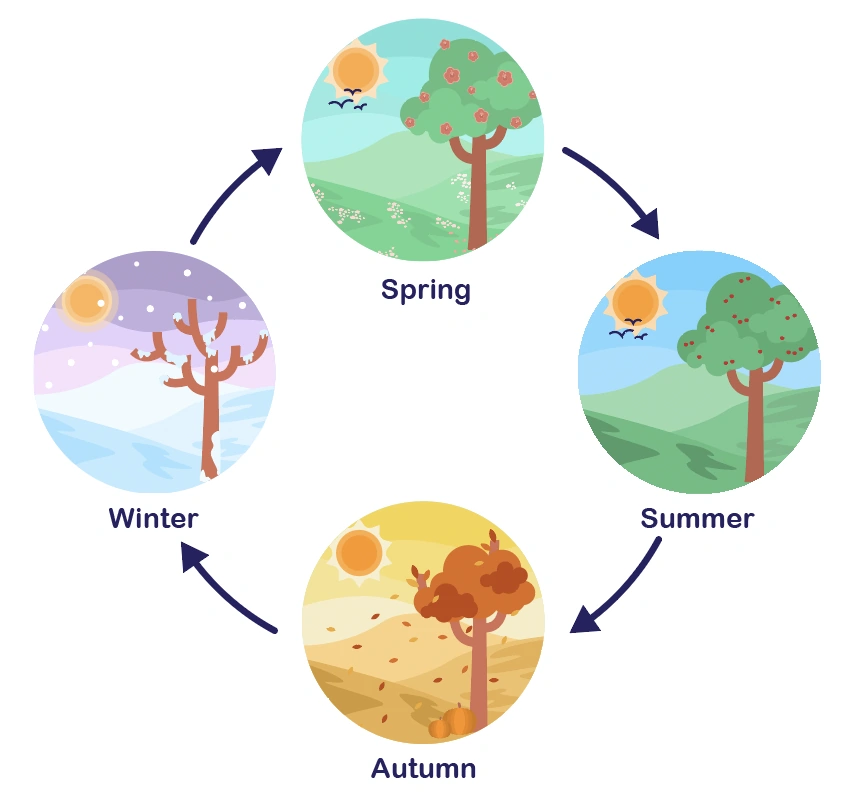
Rainbow trout do not magically appear fully grown and ready to swim upstream. They go through a life cycle, and each stage depends on the season and environment to survive.
In this project, you will create a circular art piece that shows how a rainbow trout changes over time and how the seasons affect its growth and survival.
Read carefully. The instructions you need are inside this post.
What You Are Creating
You will design a circle that represents one full year in the life of a rainbow trout. Inside that circle, you will show:
- Each life cycle stage
- The season it happens in
- What is happening to the trout
- What the environment is like at that time
This is both a science and art assignment. Accuracy matters more than decoration.
Materials You Will Need
- One sheet of white paper or cardstock
- Pencil
- Colored pencils, crayons, or markers
Step-by-Step Instructions
Start by drawing a large circle that takes up most of your paper. This circle represents one full year.
Next, divide the circle into sections. Each section must represent one stage of the rainbow trout life cycle:
- Egg (roe)
- Alevin
- Fry
- Parr
- Smolt
- Adult trout
Inside each section, draw the trout at that life stage. Your drawings should show how the trout changes in size and appearance as it grows. Important details like yolk sacs, parr marks, and body color should be included when appropriate.
Label each life cycle stage clearly so it can be identified without explanation.
Near the outside edge of the circle, add the season when that stage usually occurs. Use the correct season and place it where it makes sense in the cycle.
For every life stage, write one to two sentences explaining:
- What is happening to the trout during this stage
- Why this stage is important for survival
Add environment details to each section. This might include:
- Water temperature
- Stream or river conditions
- Rocks, plants, shelter, or oxygen
- Possible dangers or predators
Use color intentionally. Cooler colors should represent colder seasons, and warmer colors should represent warmer seasons. Smooth transitions help show the passage of time.
Before you finish, check that your work is neat, readable, and complete. If someone else cannot understand it by looking at it, it needs improvement.
Before You Post Your Work
Make sure your project includes:
- A circular design
- All rainbow trout life cycle stages
- Seasons clearly labeled
- Drawings for each stage
- Written explanations
- Environmental details
Incomplete work will be sent back. Science does not accept “almost.”
How to Submit
- Take a clear photo of your completed project.
- Scroll to the comment section below this post.
- Upload your picture as a comment.
- Make sure your name is included with your submission.
Your comment is your submission. No picture means no credit.
When you’re finished, check out the rest of our blog for more tips, ideas, and activities to help you learn and grow. Be sure to follow our classroom Instagram page for behind-the-scenes moments, project highlights, and fun updates. Let’s work together to make learning fun, exciting, and something you look forward to every day!



2 Responses
in the begining of the trout life cycle the very first thing is the egg then th alevin then the fry and after that is the parr and smolt and last is the adult but for the trout to be born is in warm water and a gravel nest because gravel brings oxeygen.
In the begining of the trout life cycle the very first thing is the egg then the alevin then the fry and after that is the parr and smolt and last is the adult but for the trout to be born is in warm water and a gravel nest because gravel brings oxeygen