
Wetlands may look like muddy, shallow areas filled with plants, but they are some of the most important ecosystems on Earth. Understanding the importance of wetlands helps us see how land and water work together to support plants, animals, and people.
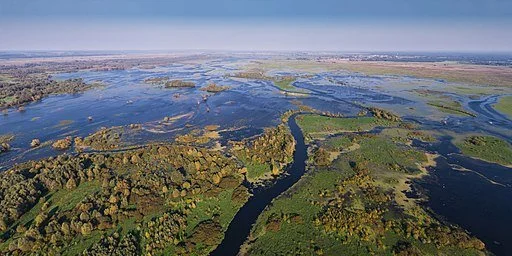
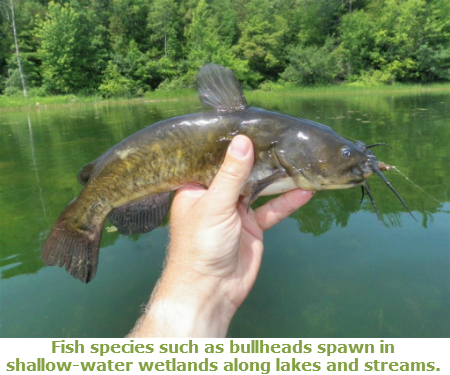
Wetlands play a major role in helping fish, including rainbow trout, survive and grow.

4
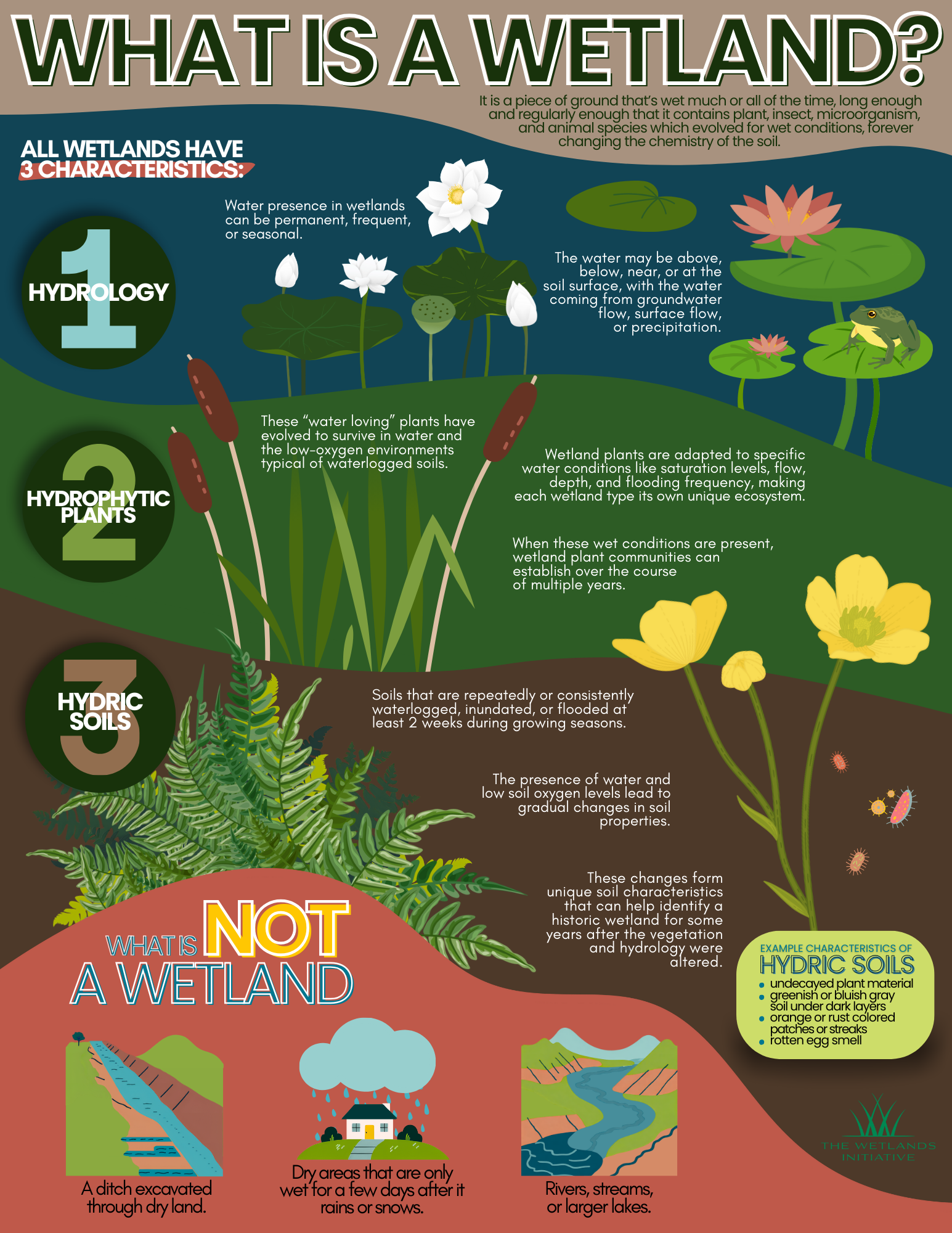
What Are Wetlands?
Wetlands are areas where land is covered by water for part or all of the year. The water can be fresh or salty, and the soil stays wet enough to support special plants.
Common types of wetlands include:
- Marshes
- Swamps
- Wet meadows
- Areas along rivers and lakes
Wetlands act as a transition zone between land and water, which makes them incredibly valuable.
Why Wetlands Are Important
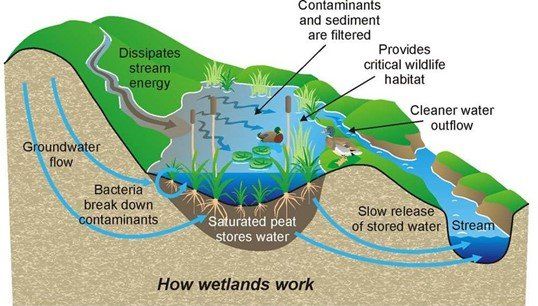
The importance of wetlands comes from how many jobs they do at once.
Wetlands:
- Filter pollution out of water
- Slow down flooding by absorbing extra water
- Store water during dry seasons
- Provide homes for plants and animals
Because of this, wetlands help keep nearby rivers, lakes, and streams healthy.
How Wetlands Help Trout and Fish Survive
Wetlands are especially important for fish like rainbow trout.
They help fish by:
- Improving water quality before it reaches rivers and lakes
- Providing cooler water temperatures
- Offering safe places for young fish to hide from predators
- Supporting insects that fish eat
When wetlands are healthy, the water entering streams has more oxygen and fewer pollutants. This creates better conditions for trout eggs, fry, and adult fish.

4
What Happens When Wetlands Are Destroyed
When wetlands are drained or polluted, ecosystems suffer.
Without wetlands:
- Water becomes dirtier
- Flooding happens more often
- Fish habitats are damaged
- Trout populations can decline
This shows why protecting wetlands is directly connected to protecting fish and waterways.
Why We Need to Preserve Wetlands
Preserving wetlands protects entire ecosystems, not just one species. Healthy wetlands support fish, birds, insects, plants, and people.
By protecting wetlands, we:
- Keep water clean
- Support wildlife populations
- Protect places where fish can grow and survive
- Help future generations enjoy healthy environments
Wetlands may seem quiet and unimportant, but they are working constantly behind the scenes.
Why This Matters
As we raise trout in our classroom and prepare to release them into a local lake, it is important to understand what happens beyond the tank. Trout survival depends on healthy water systems, and wetlands play a key role in keeping those systems balanced.
Protecting wetlands helps ensure that the trout we release have a safe and healthy place to live.
Student Task: Show What You Know
Directions:
Respond in the comments using complete sentences.
- Explain what a wetland is in your own words.
- Describe one way wetlands help trout or fish survive.
- Explain why preserving wetlands is important.
Writing Expectations
- 5–7 complete sentences
- Use the words: wetlands, habitat, water quality
- Stay on topic
- Use your own words
When you’re finished, check out the rest of our blog for more tips, ideas, and activities to help you learn and grow. Be sure to follow our classroom Instagram page for behind-the-scenes moments, project highlights, and fun updates. Let’s work together to make learning fun, exciting, and something you look forward to every day!



21 Responses
A wetland is a habitat that provides shelter and resources to many animals. The right temperature and clean water quality helps trout and other species survive. Preserving wetlands is important because it helps control the outcome of natural disasters. For example, floods, hurricanes, and storms. Wetlands are extremely important, as removing them may cause a problem in the ecosystem.
Wetlands are where water covers the soil or is present neer the suface for varying periods. Wet lands are like wet land but exept during a flood they help prevent from flooding towns giving the towns people enough time to escape or get to high sufaces. One way wetlands significantly boost trout and fish survival is by providing essential, nutrient-rich nursery habitat for juveniles. It allows them to feed, grow, and seek refuge from predators. Preserving wetlands is important because they act as natural sponges that reduce flood damage, filter pollutants to improve water quality, and store massive amounts of carbon to fight climate change.
wetlands are places where all land is covered by water the whole year. The water can either be fresh or salty the soil stays wet enough to support special plants. Wetlands are helpful for trout and fish they help them survive by providing homes for plants and animals. Because of this wetlands help keep nearby rivers, lakes and streams healthy. preserving wetlands protects a lot of animals plants like fish, birds, insects. When we protect wetlands we help animals and plants to make sure any kind of animal can grow and survive the environment. When we protect wetlands we also support wildlife population. We can help wetlands by not throwing trash at them keep them clean so we can protect animals and plants.
the wetlands are a habitat that most animals live in and its important to most animals need water not too deep but deep enough so they can submerge in the water but its also important becauseit helps control the outcome of natural disasters. For example, floods, hurricanes, and storms. Wetlands are extremely important, as removing them may cause a problem in the ecosystem.
Wetland is basically a home to many animals. Wetlands stop most natural disasters like floods, storms, etc. Trouts need clean water and the right temperature to survive.
The importance of a wetland is that it can be a shelter for many types of animals. Wetland benefits improving water quality by filtering pollutants. Also wetlands are important to rainbow fish cause it a safe place for them so they can hide from predators. Another reason why wetland is important is because it stores water when it is the dry season .
The wetlands are a habitat that most animals live in and its important to most animals need water not too deep but deep enough so they can submerge in the water.
A wetland is a habitat for animals such as fish, frogs, and trout. the water quality is good for some types of fish we help the water by not loitering, and no spilling drinks. don’t throw rocks in the water so it doesn’t ruin the fish homes and areas of comfort. preserving a wetland is important because because the animals need a home to live in like any human being does they need food as well. and these are multiply reasons you need to keep wetland healthy with good water quality.
A wetland is habitat that can help animals by providing a home/shelter. One way wetlands help fish and trouts is , they provide clean, non pollinated water, cooler waters, and prevent flooding. Preserving wetlands are important because, without them the fish population goes down, and their habits can be damaged.
They function as vital, productive, and natural water-filtering systems for the environment.
A wetland is an area of land that is saturated with water permanently or seasonally. Wetlands help trout or fish survive by providing a habitat where they can find food and shelter. Preserving wetlands is important because they provide habitat for many species, improve water quality and help to control flooding.
The wetlands are a habitat that most animals live in and its important to most animals need water not too deep but deep enough so they can submerge in the water.
A wetland is where the solid is full of water either all the time or just part of the year.wetlands provide a safe habitat for trout and other first. Preserving wetlands is important because they help keep our water clean,filter out pollutants, and prevent floods.
The wetlands are a habitat that most animals live in and its important to most animals need water not too deep but deep enough so they can submerge in the water. Wetlands are important because they are like sponges that reduce flood damage filter pollutants to improve water quality also store massive amounts of carbon to fight climate change. One way wetlands help trouts/fish is that the wetland help them get insects that they can eat so it provides food for them
The wetlands are a habitat that most animals live in and its important to most animals need water not too deep but deep enough so they can submerge in the water.
Wetlands are a habitat that most animals live in and its important to most animals need water not too deep but deep enough so they can submerge in the water but its also important becauseit helps control the outcome of natural disasters. For example, floods, hurricanes, and storms. Wetlands are extremely important, as removing them may cause a problem in the ecosystem.
The wetlands are a habitat where water is present in many factors of the environment, which can cover the soil or is near the surface. Most of the surface is moist and waterlogged. The existence of the wetlands are also important, as they are one of the most productive ecosystems that enable plants to grow, also being grounds for oxygen production. The wetlands are also good for trouts, as they provide clean water support, cool waters, and having ideal conditions for trouts. Preserving lands like these are important for flood protection, acting as natural infrastructures, filtering clean water, and offering a home to many species.
Wetland is a habitat that most animals live in like some being like fish and frogs . The water in the wetland has to be clean so the animals that drink the water or live in the water can survive. The wetland is important to rainbow fish because it a safe place for them to hide from the predators.
A wetland is a habitat where the land is covered by water permanently or seasonally. These ecosyetems act as a transition between dry land and water, providing the right, balanced home for certain animals. Wetlands help trout survive by providing cold, clean water and natural filters suited for them. Preserving these special lands is crucial because they act as our flood and storm protection, like natural sponges. They also work for purifying water and keeping it a nice and balanced quality.
A wetlands is a habitat that is land covered by water and is covered by water all season. These ecosystems act as a home for certain animals. Wetland helps animals like trout survive by providing good temperature water and clean water for them. And if we preserve these lands it would act as our storm protection, and would keep floods from happening. They also help filter water and purify it to keep it and its residents clean and safe.
A wetland is a habitat for animals such as fish, frogs, and trout. the water quality is good for some types of fish we help the water by not loitering, and no spilling drinks. don’t throw rocks in the water so it doesn’t ruin the fish homes and areas of comfort. preserving a wetland is important because because the animals need a home to live in like any human being does they need food as well. and these are multiply reasons you need to keep wetland healthy with good water quality.